Wearparts Impact: How Worn Seed Disc Openers Affect Planting Depth, Emergence, and Yield

Planting season is one of the most critical times of the year for farmers. Agriculture is the practice of cultivating the soil, planting, raising, and harvesting both food and non-food crops, as well as livestock production (1). Every decision made in the field—timing, seed variety, and equipment condition—can impact your crop’s performance. One often-overlooked factor that can dramatically influence results is the condition of your seed disc openers.
Maintaining seed disc openers improves efficiency in resource use during planting by ensuring seeds are placed at the correct depth and spacing, optimizing land utilization and reducing input waste.
Seed disc openers are essential for preparing land for planting, as they play a key role in the process of creating the ideal seedbed.
- Worn openers can disrupt the process of creating optimal planting conditions, leading to uneven emergence and reduced yields.
Proper operation of seed disc openers is crucial for successful planting and maximizing the benefits of your agricultural work.
Why Seed Disc Openers Matter in Agricultural Equipment
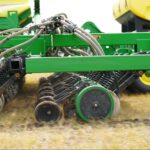
Seed disc openers are responsible for creating the furrow where seeds are placed. As part of the tillage process, seed disc openers work alongside tools like the plow to break up and prepare the soil for planting. Their job might sound simple, but their condition directly affects:
- Planting depth: Worn openers can plant seeds too shallow or too deep, impacting germination.
- Furrow quality: Uneven or poorly formed furrows lead to inconsistent soil contact, uneven moisture, and can result in increased weed pressure.
- Seed spacing: Damaged or worn discs can throw off spacing, creating competition among seedlings.
Proper opener function also helps incorporate manure into the soil, improving fertility and supporting healthy crop growth.
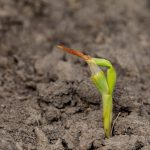
When any of these issues occur, emergence becomes uneven, which can reduce stand density and ultimately lower yield potential.
The Importance of Inspecting and Replacing Openers for Crop Production
Before the spring planting season kicks off, it’s essential to inspect your openers for wear. Look for signs like:
- Uneven or chipped edges
- Thinning metal
- Visible gouges or grooves
Professional services are available to help inspect and replace seed disc openers, ensuring proper maintenance and safe operation. Research shows that timely replacement of openers can improve productivity by promoting efficient seed placement and reducing downtime.
Replacing worn seed disc openers before hitting the field ensures that your planter is ready to deliver consistent seed placement, setting your crop up for strong, uniform stands from the very start. The benefit of replacing worn openers includes improved yield and increased equipment longevity, making the most of your resources.
Timing Is Everything
Spring planting windows can be tight, especially when you need to cover many acres efficiently in a short period. Advances in technology have improved the design and durability of seed disc openers, allowing for better performance and longer life. Modern openers are made from high-quality material to withstand tough field conditions. Replacing openers ahead of time ensures your equipment has the power required to operate efficiently during planting. By investing a little time now, you avoid the risk of poor emergence during critical growth stages, which can pay off with higher yields and more uniform crops when it matters most.
Yield Reduction and Economic Impacts
Yield reduction is a major concern in modern agriculture, with far-reaching consequences for agricultural producers, farmers, and the entire food supply chain. Globally, support to agricultural producers accounts for almost US $540 billion a year, amounting to 15% of total agricultural production value (2). When crop yields decline, the economic impact is felt not only on individual farms but also in the price of food at the market and the stability of food security worldwide. As of 2021, small farms produce about one-third of the world’s food, with five of every six farms in the world consisting of fewer than 2 hectares (1). According to the USDA, crop production is a cornerstone of the agricultural industry, and any drop in yields can lead to significant financial losses for farmers and increased costs for consumers. Agriculture employs about 873 million people globally, or 27% of the workforce, compared to 40% in 2000 (1).
The use of advanced agricultural equipment—such as John Deere tractors, precision planting tools, and automated machinery—has become essential for improving productivity and maintaining high crop yields. These technologies help farmers optimize planting, manage soil health, and apply fertilizers and pesticides with greater precision, reducing waste and maximizing output. However, the high price of modern equipment and the ongoing costs of maintenance can be a barrier for many small-scale growers and producers, making it challenging to keep up with the latest innovations.
Many agricultural producers are turning to new methods and technologies, such as automation, precision farming, and improved fertilizers and pesticides. While these tools can help boost productivity and reduce the risk of yield loss, it is essential to use them responsibly to avoid negative impacts on the environment (2). Support from governments and organizations—through loans, grants, and technical assistance—plays a crucial role in helping farmers adopt more efficient and sustainable practices.
The economic impact of yield reduction can vary depending on the crop. For example, a decline in rice yields can have a profound effect in Asia, where rice is a staple food, while reduced wheat production can impact food security in Europe and North America. Maintaining and upgrading agricultural equipment, such as plows and tractors, is vital for ensuring consistent yields, but it also requires ongoing investment and attention to maintenance.
Ultimately, yield reduction is a complex challenge that affects every link in the food supply chain. By embracing innovation, precision agriculture, and sustainable practices, the industry can work together to improve crop yields, reduce waste, and ensure a stable, affordable food supply for communities around the world.
Trust Wearparts for Reliable Components and Maintenance
At Wearparts, we provide high-quality replacement seed disc openers designed to handle tough field conditions season after season. Our durable components help you:
- Maintain precise planting depth
- Improve furrow quality
- Achieve uniform seed spacing
- Ensure even spread of seeds and fertilizers across your fields
- Suit a variety of agricultural work needs with different forms of openers
Our Next-Gen Seed Opener Assemblies are redefining performance for the next generation of precision planters. Farmers told us what we need to change — failed bearings, fighting dust caps, uneven blade wear, and out-of-spec assemblies. So we listened, and built a smarter, stronger, truer seed opener assembly. Benefits of our Next-Gen Seed Opener Assemblies include:
- Integrated Bearing Hub: one-piece construction for superior strength and durability, eliminating press-fit stress and misalignment
- Extended Wear Blade: Factory-pressed onto our Extended-Wear blade, delivering longer field life compared to OEM
- Sealed for Life: No dust cap required; the innovative seal design saves time, reduces parts, and removes a common failure point
- Guaranteed True® Promise: Runs truer with less wobble and lope; every opener is laser tested in-house to ensure tolerances meet our strict standards
Our Next-Gen Seed Opener Assemblies underwent rigorous testing in slurry, dust, and field environments across the country. Lab results showed bearings lasting up to 10x longer than competitors — confirming long-term reliability and precision in real-world use.
Wearparts openers are ideal for planting crops used for both feed and grains, supporting your livestock and cereal production. Timely replacement of openers is important for prevention of equipment failure and to keep your operation running smoothly.
Don’t let worn equipment hold your crops back. Inspect, replace, and be ready for a strong spring planting season with Wearparts.
Check out the latest news from Wearparts for updates on new product releases.
References
- Wikipedia. “Agriculture.” https://en.wikipedia.org/wiki/Agriculture.
- USDA. https://www.usda.gov/
- Wearparts Impact: How Worn Seed Disc Openers Affect Planting Depth, Emergence, and Yield

- Soybean Harvest Tips & Essential Replacement Parts for a Smooth October Harvest
- How to Select the Right Knife System for Your Combine Harvester
- Crop Scouting: How Soil Health Impacts Pest & Disease Resilience
- Reducing Frost Risk: 5 Planting and Tillage Tips for Farmers