Soybean Harvest Tips & Essential Replacement Parts for a Smooth October Harvest

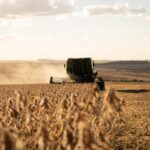
As we move into late October and early November, harvesting season is in full swing. The optimal harvesting time for soybeans is from September to November when the pods have matured and the beans have dried down (12). Different regions experience varying harvest conditions and timing, which can impact overall results. Growers play a crucial role in ensuring a successful harvest by managing resources and adapting to local challenges. How you prepare can make a huge difference in the success of your harvest, as tillage and soil management practices directly affect planting and yield (1).
Typically, harvest begins in the last week of September or the first week of October, with this year’s timing closely matching the average of recent years. The progress of the harvest season is tracked weekly, with updates highlighting advancements and any delays. Estimates from analysts and the U.S. Department of Agriculture (USDA) provide projections on expected yields and timing, helping farmers plan accordingly. The department releases official data on harvest progress, which is widely referenced in the industry.
In recent years, the average yield per acre for soybeans has steadily increased, reflecting improvements in farming practices. Compared to the past decade, this year’s harvest pace is among the fastest, demonstrating significant progress. A year ago, the soybean harvest was 67% complete, the fastest pace in over a decade (16). Dry conditions last year helped speed crops to maturity, minimizing weather delays (16).
Yield per acre remains a key metric for growers, directly impacting profitability. Labor is especially important during the busy harvest season, as a skilled workforce is essential for efficient operations and safety.
The soybean harvest is a major economic driver, as soybeans are one of America’s most valuable commodities. The harvest is vital to the domestic market, supporting food production and related industries. The U.S. continues to lead the world in soybean production, with its harvest having global significance for food security and trade.
The history of soybean harvest in America is marked by continuous growth and adaptation. Recent innovation in harvest technology and practices has further improved efficiency and sustainability (8). Intensive harvest practices, such as high-capacity equipment and optimized logistics, have boosted productivity. Fuel is a critical input, powering the machinery that drives the harvest. Safety remains a top priority, with growers implementing measures to protect workers and reduce risks during this demanding season.
Preparing for Soybeans Harvest
To get the most out of your soybean fields, consider these key steps before you start:
- Scout Your Fields: Check moisture levels, plant height, and pod maturity. As part of your assessment, scout for pests and weeds to identify any issues that could impact yield. Visual indicators of maturity, such as the yellowing of leaves and browning of pods, signal that harvest is approaching (10). 95% pod maturity indicates that the soybean crop is ready for harvest once the pods have turned their mature tan or brown color (7, 13).
- Check Your Equipment: Ensure combines, mowers, and rakes are in top shape. Inspect belts, chains, and, importantly, cutter bar components like sickles and guards. Proper maintenance also helps minimize soil compaction during harvest operations.
- Adjust Combine Settings: Proper management of combine settings, such as rotor speed and concave clearance, is crucial to minimize seed damage during soybean harvesting (6). Soybeans require different combine settings than corn. Using modern combines with flex headers or draper heads allows for close cutting to capture low-hanging pods during soybean harvesting (9). Adjusting reel speed, concave clearance, and threshing settings are effective methods to control seed loss and improve harvest efficiency (3).
- Plan Your Timing: Monitor weather conditions closely as dry, sunny days are ideal for harvesting soybeans, while rain or high humidity can increase moisture content (2). Harvest during dry conditions when beans have reached ideal moisture (generally 13–15%). Wet beans can increase drying costs and risk mold. Harvesting with higher moisture levels (15-18%) is feasible if drying will occur mechanically, but it presents challenges such as tougher threshing and increased risk of damage (11). On the other hand, harvesting overly dry soybeans, at moisture levels below 13%, can lead to increased pod shattering and reduced yield (11). Regularly checking stored soybeans for temperature and moisture helps prevent spoilage (5). Also, plan for post-harvest storage and prepare fields for next season’s planting and seeding. For long-term storage, soybeans should be aerated to a moisture level of 13% or less to prevent spoilage (15). Four to five soybeans per square foot can equate to a loss of one bushel per acre during harvest (4, 14).
- Reduce Downtime and Losses: Proper preparation leads to a reduction in downtime and harvest losses.
- Ensure Access to Resources: Make sure you have access to quality replacement parts and necessary resources for a smooth and efficient harvest.
Soil Conservation and Management
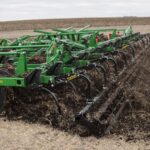
Soil conservation and management are at the heart of sustainable farming, especially during the busy harvest season. Many farmers across America are turning to conservation tillage methods—such as no-till and reduced-till farming—to help maintain soil health and boost crop production. By minimizing soil disturbance, these production practices help reduce soil erosion and nutrient runoff, while also preserving valuable soil moisture for future crops (1).
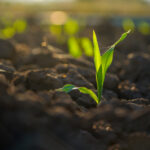
Recent trends in agriculture highlight the growing use of cover crops, which play a vital role in protecting the soil between harvests. Cover crops help to increase organic matter, improve soil structure, and create a thriving environment for beneficial organisms (1). This not only supports healthier crops but also reduces the need for synthetic inputs, making food production more sustainable. By adopting these innovative methods, farmers can maintain productive acres, create resilient soils, and ensure the long-term success of their farms.
Water Quality and Harvesting
Protecting water quality is essential for the future of agriculture, and the way crops are harvested can make a big difference. Conservation tillage and the use of cover crops are proven practices that help reduce nutrient runoff and soil erosion, both of which are major risks to water resources. By keeping more soil and nutrients in the field, farmers help maintain the quality of nearby rivers, lakes, and groundwater (1).
During major events like the corn harvest and soybean harvest, efficient water management becomes even more important. Many farmers are adopting advanced irrigation systems and water harvesting techniques to make the most of every drop, reducing waste and supporting sustainable crop production (1). By focusing on these agricultural practices, producers can maintain the health of their land and water, reduce environmental impact, and ensure that America’s farms remain productive for generations to come.
Maximize Efficiency with Wearparts
At Wearparts, we know that equipment reliability is key during the busy harvest season. That’s why we offer a full range of replacement parts to keep your machinery running smoothly. Our focus is on understanding your needs and delivering solutions that enhance efficiency and profitability. As a trusted partner for growers and dealers, we combine genuine, down-to-earth expertise with a commitment to your success.
Sickles & Sickle Sections: The sickle knife system is the cutting heart of your combine. Worn or damaged sickles can slow your harvest and reduce efficiency. Wearparts’ durable sickles and sickle sections provide precision cutting, helping you move through fields quickly and cleanly. Our premium sickle parts are primarily sourced from leading manufacturers to ensure top quality and performance.
Section Components: Wear Plates & Guards: Protect your cutter bars with our rugged section components. Wear plates and guards are built to withstand tough harvesting conditions, prolonging equipment life and ensuring smooth operation. These components are primarily sourced from trusted European manufacturers for reliability.
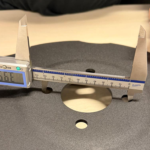
Disc Mower Blades & Rakes: For those using disc mower blades and rakes to handle crop residue, we carry high-quality blades and rakes designed for longevity and reliable performance. Our disc mower blades are primarily sourced from industry-leading suppliers to guarantee durability.
Conclusion
A successful soybean harvest depends on careful preparation, effective soil and water management, and reliable equipment. By adopting conservation tillage and cover crops, farmers can protect soil health, reduce nutrient runoff, and maintain water quality, ensuring sustainable crop production for the future. Efficient harvesting practices, combined with high-quality replacement parts from trusted partners like Wearparts, help maximize productivity and minimize downtime during this critical season. Together, these strategies empower growers to achieve a smooth, profitable soybean harvest while safeguarding the land for generations to come.
References:
- U.S. Department of Agriculture. “Crop and Livestock Practices – Soil Tillage and Crop Rotation.” https://www.ers.usda.gov/topics/farm-practices-management/crop-livestock-practices/soil-tillage-and-crop-rotation.
- Agricultural Commodities Focus. “When Soybeans Are Harvested.” https://ag.hedder.com/blog/when-are-soybeans-harvested/
- Agronomic Crops Network Ohio State University Extension. “Is a Late Soybean Harvest in Your Future?” https://agcrops.osu.edu/newsletter/corn-newsletter/2019-34/late-soybean-harvest-your-future.
- Alberta Pulse Growers. “Soybean – Harvesting.” https://albertapulse.com/soybean-harvesting/.
- Kett Science of Sensing. “Managing Soybean Harvest Timing.” https://blog.kett.com/managing-soybean-harvest-timing.
- Calmer Cornheads. “Top Sieve Settings for Soybean Harvest.” https://calmercornheads.com/combine-settings/tech-tips-for-bean-headers/top-sieve-settings-for-a-better-soybean-harvest-case-ih-or-john-deere/.
- University of Nebraska – Lincoln Institute of Agriculture and Natural Resources. “Managing Soybean Harvest Timing, Moisture to Improve Yield.” https://cropwatch.unl.edu/managing-soybean-harvest-timing-moisture-improve-yield-0/.
- Wikipedia. “Agriculture.” https://en.wikipedia.org/wiki/Agriculture.
- South Dakota State University Extension. “Harvesting for Maximum Soybean Yields.” https://extension.sdstate.edu/harvesting-maximum-soybean-yields.
- Grow Smart Live. “Soybean Harvest Guide.” https://growsmartlive.com/news/5941.
- LG Seeds. “The Heat is On: How Early Harvest Conditions Impact Soybean Moisture.” https://lgseeds.com/agronomy/the-heat-is-on-how-early-harvest-conditions-impact-soybean-moisture.
- Missouri Soybeans. “From Seed Selection to Harvest.” https://mosoy.org/about-soybeans/soybean-farming/modern-agriculture/about-the-growing-season/.
- NC Soybean Producers Association. “Growing Soybeans.” https://ncsoy.org/media-resources/growing-soybeans/.
- Syngenta Thrive. “Essential Soybean Harvest Tips to Help Maximize Yields.” https://syngentathrive.com/articles/field-insights/essential-soybean-harvest-tips/.
- Tennessee Soybean Production Handbook. “Chapter 10: Harvesting, Drying, Handling and Storing Soybeans.”https://solutions.tennessee.edu/publication/PB1912J/.
Successful Farming. “Analysts Estimate U.S. Soy Harvest as 58% Complete, Corn 44%.” https://www.agriculture.com/partners-analysts-estimate-u-s-soy-harvest-as-58-complete-corn-44-11829173.