Tillage Types: Impacting Soil Health
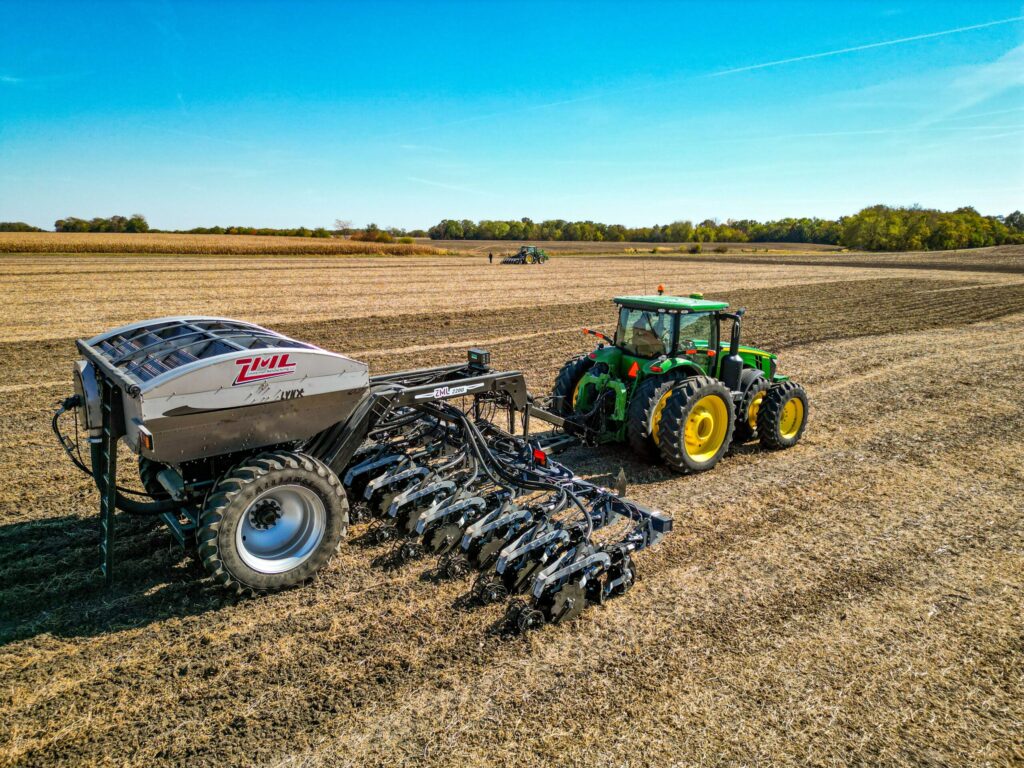
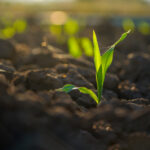
One of the most critical components of successful plant growth is the health of the soil. With the correct ecological balance, water retention, and nutrient cycling, healthy soil helps support successful growth for a higher crop yield. Tillage – the preparation of soil for planting by mechanical manipulation- has typically been associated with improving soil health through aeration and weed control, but the impact varies significantly between tilling methods.
Types of Tillage
From conventional deep tillage to conservation efforts, the various tillage methods have their benefits and drawbacks when it comes to promoting fertile soil and sustainable agriculture (1). The types are broadly categorized into conventional and conservation tillage, based on depth, intensity, and purpose of soil manipulation, guiding farmers and land managers in choosing a tillage method.
Conventional
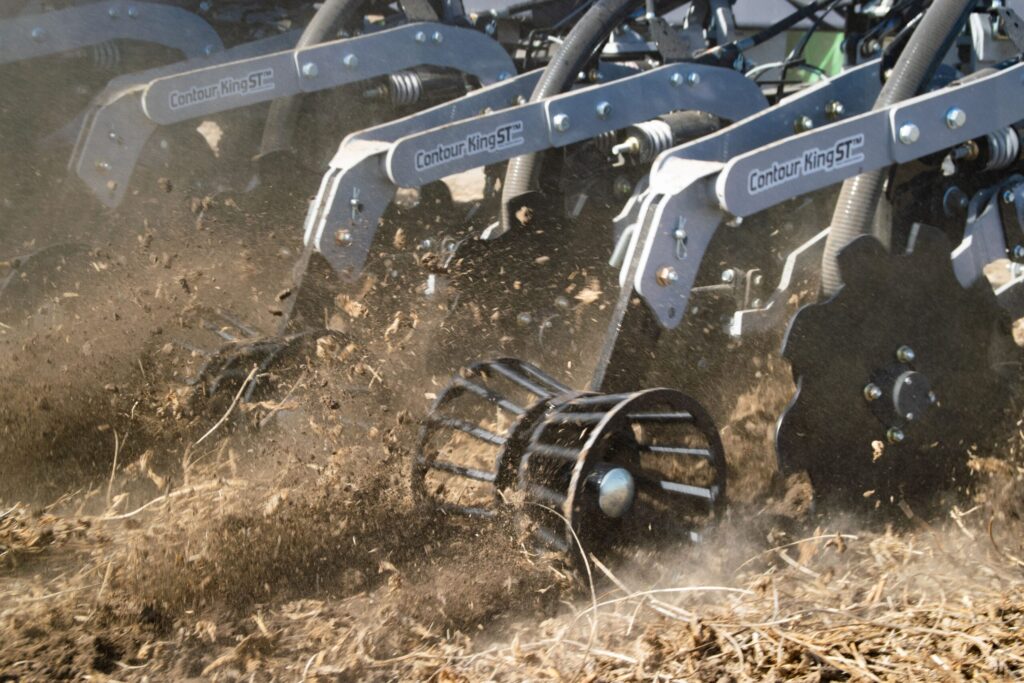
Repeated plowing and harrowing causes complete soil inversion, effectively controlling weeds, improving aeration, and incorporating fertilizers.
Conservation
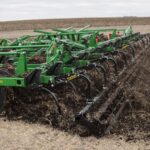
No-till, strip-till, and mulch tillage minimize soil disturbance and retain moisture, with crop residue aiding in erosion protection, organic matter enhancement, and biodiversity management (1).
Benefits of Tillage
Soil Preparation and Aeration
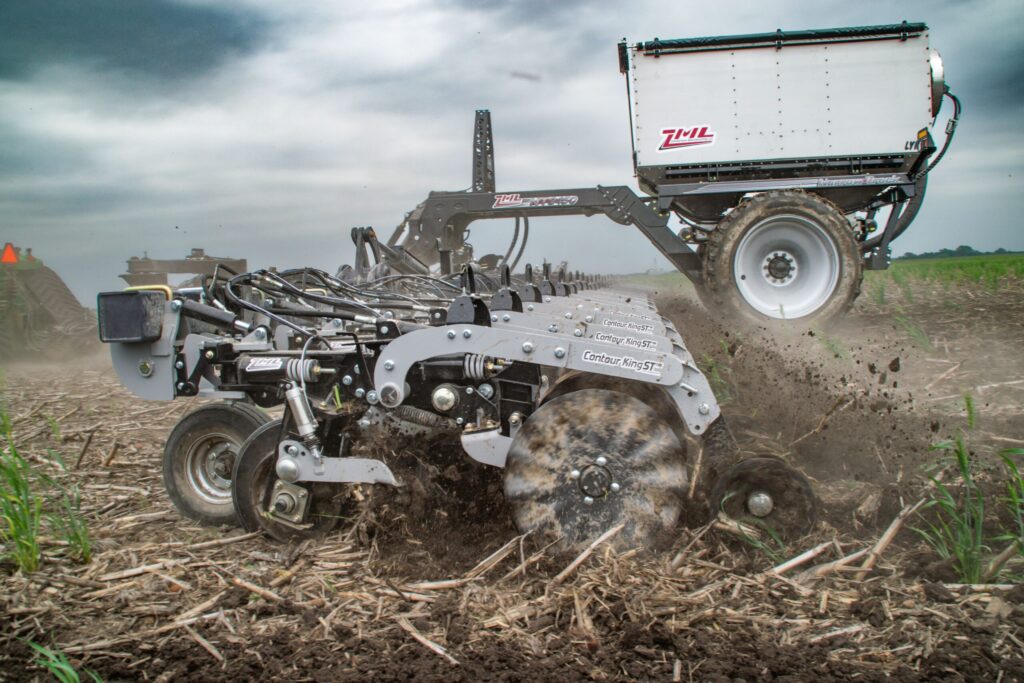
Tillage helps in breaking compacted soil, creating a loose, aerated soil texture to allow for seed germination and root growth. Loosened soil provides improved oxygen availability and facilitates better water infiltration, which helps reduce surface runoff and waterlogging.
Weed Control
Weeds deprive crops of nutrients, water, and sunlight, by uprooting and burying the seeds deep under the soil. Breaking up the weed roots with the help of tillage prevents germination and stops the weed population from competing with crops.
Moisture Conservation
Tillage plays a key role in improving water retention and reducing evaporation. With methods like mulch tillage, a protective layer of crop residue is left on the soil surface to help prevent moisture loss.
Soil Fertility
Mixing organic matter, fertilizer, and crop residue into the soil by tilling helps to improve and maintain fertile soil. The breakdown of organic matter enhances nutrient availability and enriches the soil with nitrogen, potassium, and phosphorus.
Seedbed Preparation
Tillage breaks up soil clods to create a fine-textured surface for easy seedling emergence, as well as ensuring the correct seed depth and proper soil contact, providing ideal conditions for germination and early crop growth.
Soil Erosion
Proper tillage methods can prevent wind and water from causing soil erosion. Conservation tillage creates barriers to slow water runoff and soil loss. Some techniques, such as mulch tillage, protect soil from wind erosion by keeping organic residue on the soil surface.;
Determining a Technique
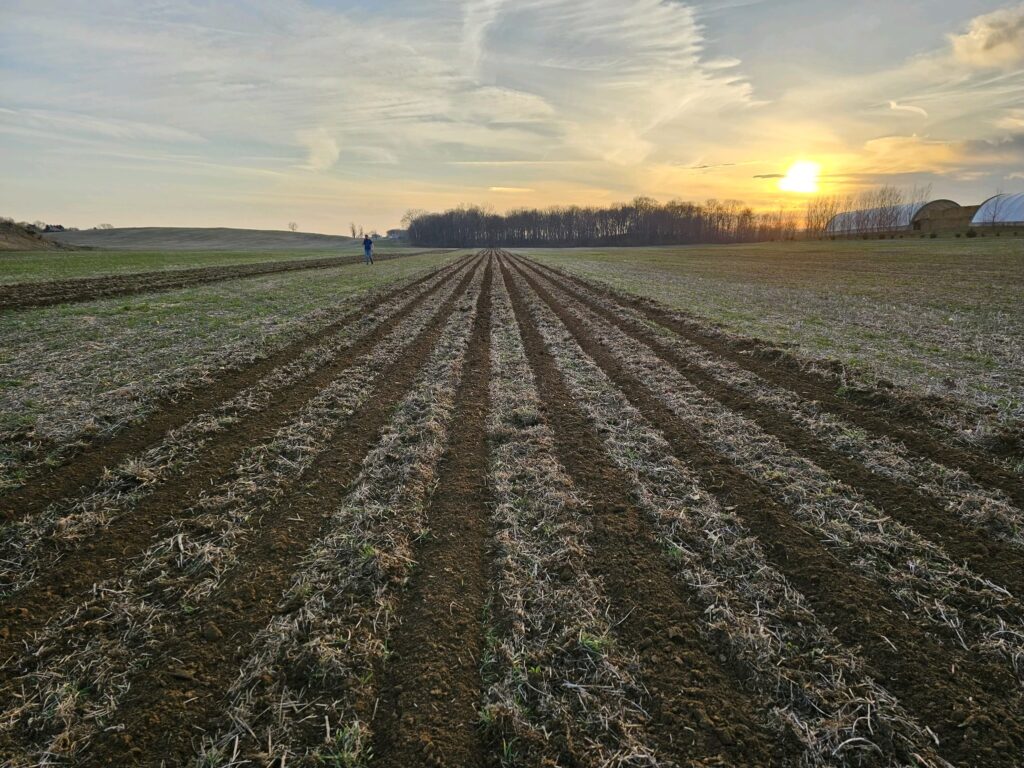
Several key factors play a role in choosing a tillage method:
Crop Type
Small grains tend to thrive in smaller seedbeds created by harrowing or disc cultivation, while deeper loosening is needed for root crops.
Soil Type
Deeper loosening like chisel plowing is effective with heavy clay soils while sandy soils do better with minimal disturbance
Erosion Risk
Maintaining proper cover with minimal or mulch-based tilling is necessary for slopes and other highly erodible areas.
Climate
Preserving moisture is critical for dryer, arid locations, but cooler regions can benefit from warming seedbeds quickly with ridge or strip tillage (3).
Conclusion
Tillage is an important agricultural practice, but how intensively soil is disturbed can have a significant impact on soil health. Reduced-tillage strategies can help preserve soil structure, organic matter and moisture while reducing erosion (2).
Wearparts is committed to providing farmers with the tools they need for preparing their fields for maximum yield. Contact us today for help choosing your tillage parts, or find your nearest dealer.
1. Live to Plant. “Types of Tillage Methods for Healthy Soil.” https://livetoplant.com/types-of-tillage-methods-for-healthy-soil/
2. USDA Natural Resources Conservation Service. “Reduced Tillage to Increase Soil Health and Soil Organic Matter Content.”
https://www.nrcs.usda.gov/programs-initiatives/conservation-stewardship-program/reduced-tillage-to-increase-soil-health-and
3. Kelly Tillage. “What are Different Types of Tillage Systems” https://kellytillage.com/us/what-are-different-types-of-tillage-systems/