Aged to Perfection: How to Maintain Your Machines with Increasing Interest in Used Farm Equipment
As we progress deeper into 2026, it’s becoming clear that buyers are willing to pay premium prices for well-maintained, older farm equipment. Classic and late-model machines with low hours have been seeing record-breaking price highs this year, with 10-plus-year-old equipment in good condition often selling for over $10,000 more than seen in previous years (1).
With sales prices continuing to trend upward, maintaining your farm equipment has become even more crucial for not just productivity and safety, but ROI as well. Turn your equipment downtime into uptime and increase your resale value by implementing a routine maintenance checklist (2).
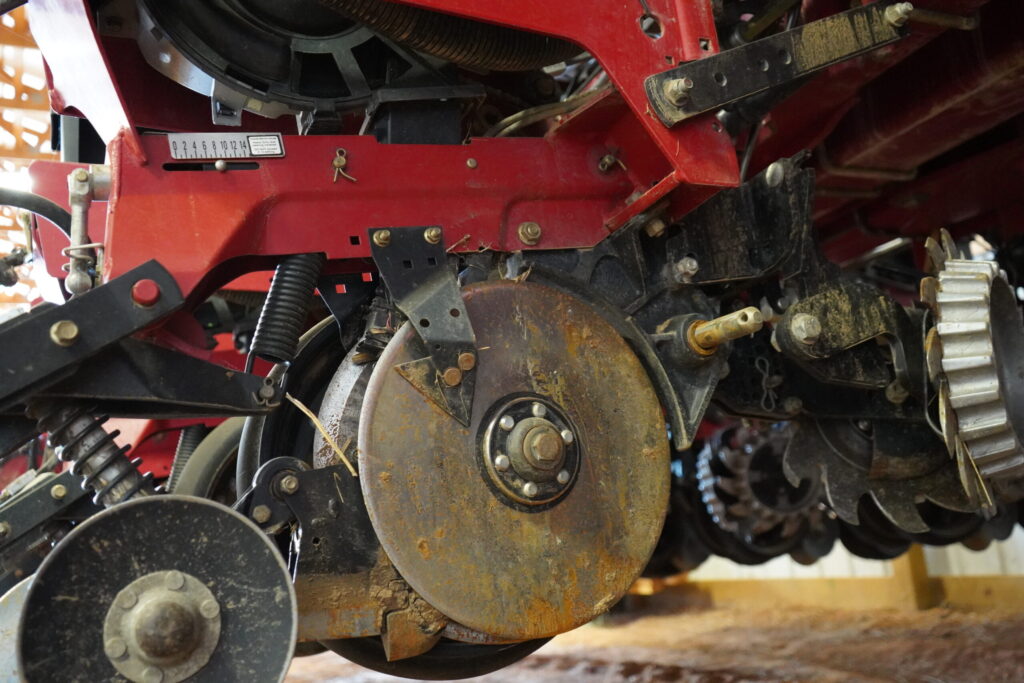
Maintenance Logs
Document your maintenance for each implement and vehicle with a logbook or digital record. Include dates, meter readings, and tasks completed to let you see when your next service is due and that nothing gets missed.
Lubrication and Oil Changes
Regularly change engine and gear oils and hydraulic fluids to keep parts clean and functional. Following the manufacturer’s guidelines for intervals, correct lubricant and viscosity grades is fundamental, as is frequently greasing all fittings, bearings, and linkages. Proper lubrication protects against rust, corrosion, and failures and extends your equipment life.
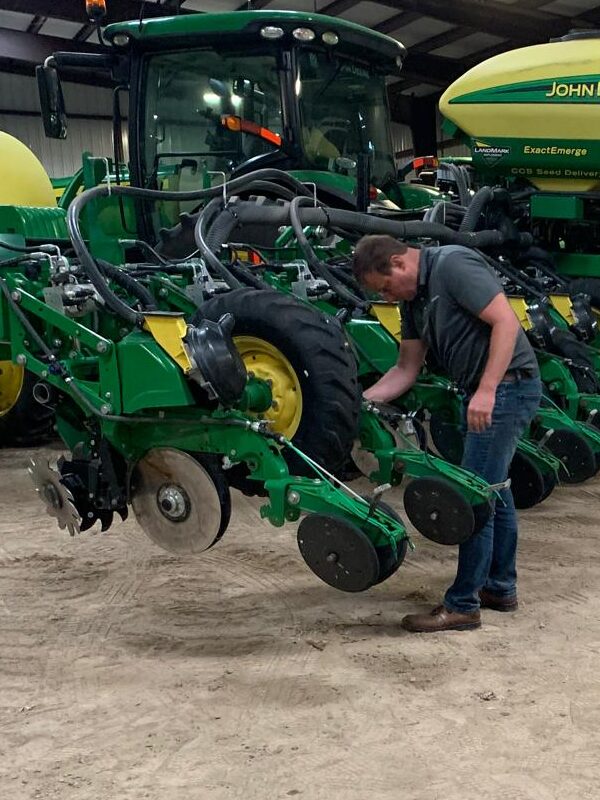
Inspections and Electrical Checks
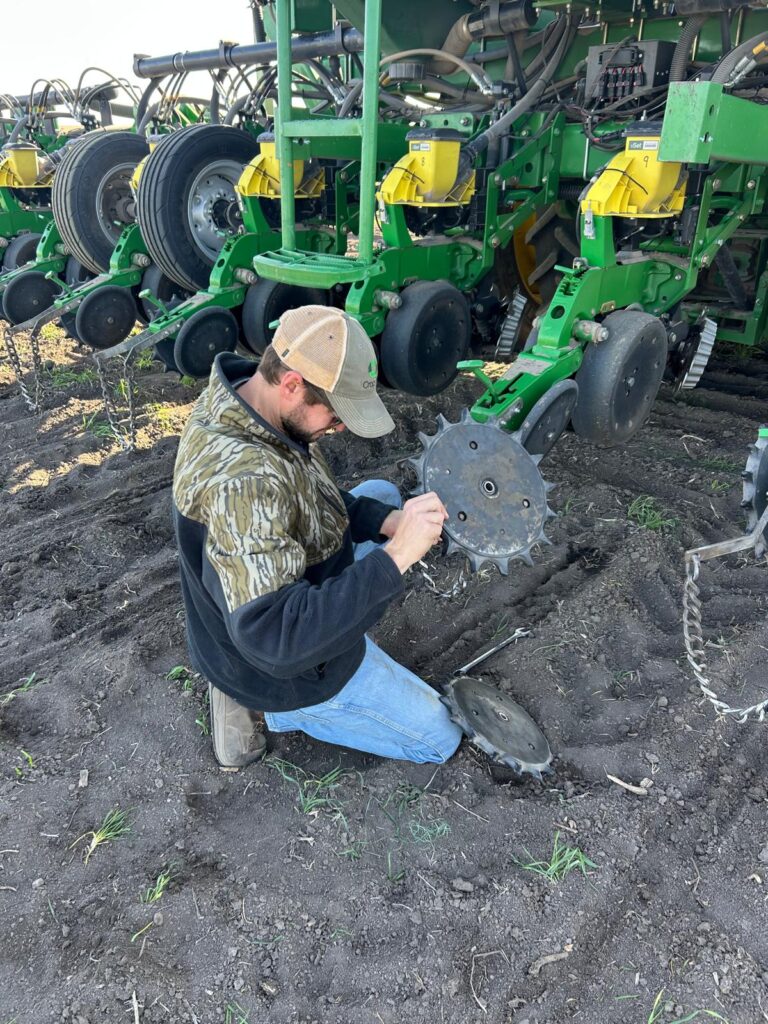
Catch issues early by regularly inspecting your equipment. Secure all pins, clips, and chains. Check tire pressure and uneven tire wear and examine all belts for breakage alignment. Ensure batteries are charged and free of corrosion and examine wiring for any electrical faults.
Adjustment and Calibration
Precise settings are required for many implements, so regular calibration is crucial for optimal performance. Verify meter rates so you plant or spray at proper rates and adjust your tool depths both in advance of field work and during changing conditions mid-season.
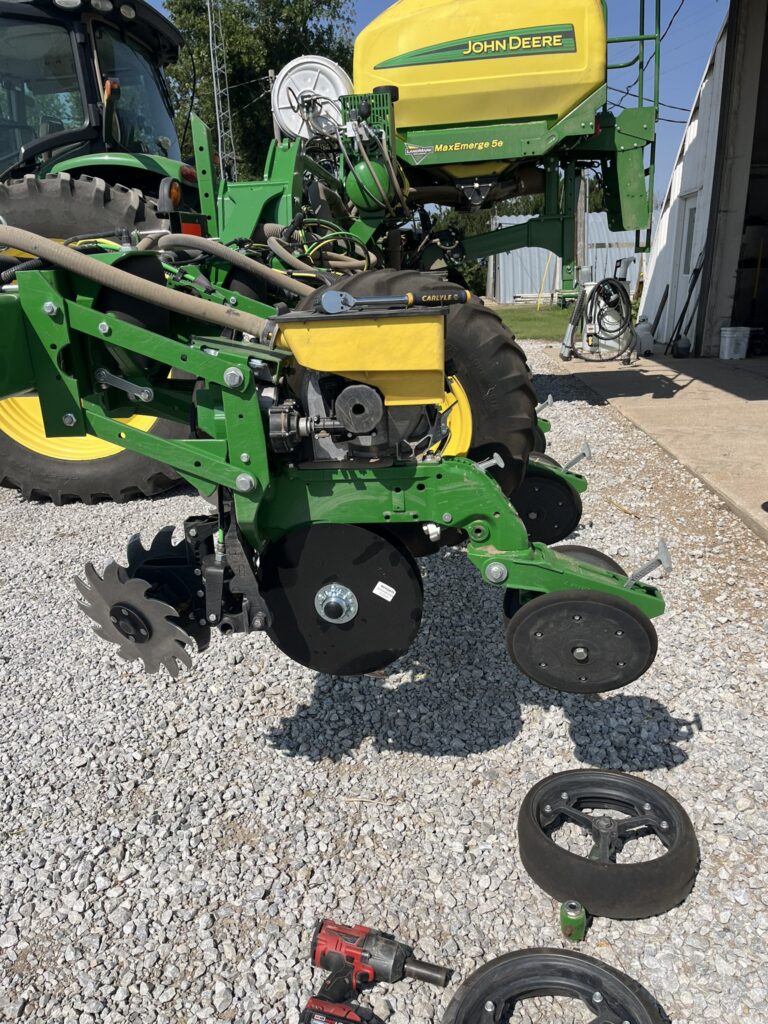
Cleaning and Proper Storage
After each busy period, wash off debris and any residue to prevent rust and corrosion. Change fluids and add any necessary stabilizers to avoid condensation. Indoor storage is best if possible, but if machinery must be left outside, use quality covers and park on even, dry ground.
Stock Spares and Replace Parts
Off-season is the best time to replace any machine components, allowing worn parts to be swapped during a calm period and avoiding being stranded mid-season. Keep an inventory of spare parts so that an immediate fix is available and regularly swap out any worn parts. Choosing longer-lasting components and following proper maintenance practices can also help reduce replacement frequency — see our 5 ways to make tillage tools last longer for more tips. If you need help finding the right part compatible with your specific machinery, Wearparts would be happy to help! Contact our team for answers to your questions and keep your equipment in the best condition possible – whether it’s fresh from the factory or a well-maintained older model!
References:
- AgWeb. “The Used Equipment Sweet Spot: Why Age and Hours are Redefining Value. https://www.agweb.com/news/machinery/used-equipment-sweet-spot-why-age-and-hours-are-redefining-value
- AgTech. Farm Equipment Maintenance Guide. https://agtech.folio3.com/blogs/farm-equipment-maintenance-guide/