Peanut Harvest Is Coming: Are Your Digger Blades Ready?
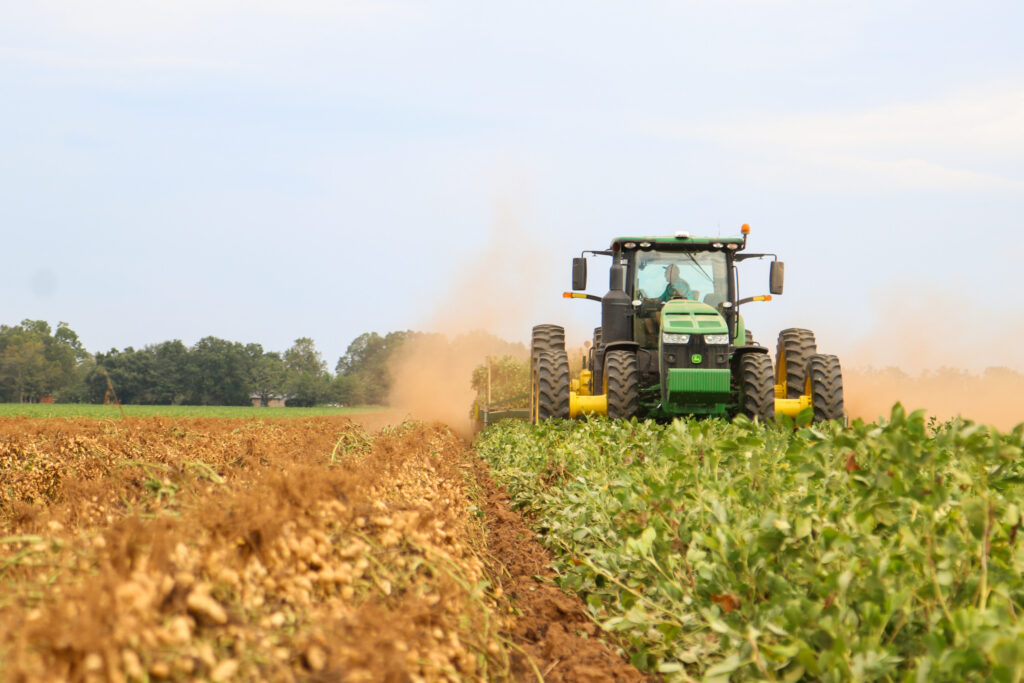
Across the Southeast, peanut harvest season is approaching — and for growers, the window between “not quite ready” and “time to dig” can be surprisingly narrow.
That makes September the time to get more than the crop ready. Your peanut digger needs to be ready, too.
USDA’s August 2026 Crop Production report forecasts approximately 1.37 million harvested peanut acres nationwide this year, including 660,000 acres in Georgia alone. Georgia’s forecast yield of 4,150 pounds per acre would put the state at nearly 2.74 billion pounds of peanut production. (1)
With that much crop headed toward harvest, worn digger blades are one problem growers don’t want to discover once the peanuts are ready to come out of the ground.
Timing Matters at Peanut Harvest
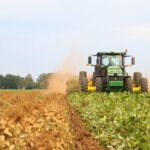
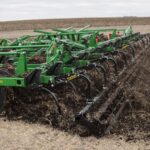
Unlike crops harvested above ground, peanuts present a unique challenge: the crop growers are trying to save is underneath the soil. The digging process starts when horizontal blades travel beneath the peanut pods and cut the plant’s taproot. The digger then lifts the plants, removes soil and inverts them into a windrow for curing. That means digging at the right depth — and making a clean cut — matters.
Timing matters just as much. UGA Cooperative Extension notes that peanuts don’t mature uniformly and recommends using the hull-scrape method to determine when a field has reached optimum maturity. Digging too early can mean immature peanuts and reduced grade, while waiting too long increases the risk of mature pods separating from the plant and being left in the field. (2)
Research cited by UGA Extension has found that digging peanuts as much as three weeks too early or too late can reduce yield potential by up to 30%. (3) When the crop reaches that optimum window, growers need equipment that’s ready to move.
Don’t Let Worn Blades Slow Down Digging
Peanut blades operate in one of the toughest environments on the farm. They have to move continuously through soil while maintaining the depth and cutting action needed to sever the taproot and lift the crop. Soil type, moisture and field conditions can all affect how hard those blades have to work.
UGA Extension’s guidance on peanut digger efficiency notes that vegetation around the blade can cover the cutting edge and interfere with digging. Tough plant material can make the problem even worse. (4) Add a worn or dull blade to challenging field conditions, and digging performance can suffer.
Before harvest begins, inspect blades for excessive wear, rounded cutting edges, uneven wear, cracks or other damage. It’s also worth checking mounting hardware and other components of the digging system while the machine is still in the shop.
If blades are already approaching the end of their useful life, replacing them before harvest can be much easier than changing them in the field when the crop is ready and the clock is running.
Built for Tough Peanut Harvest Conditions
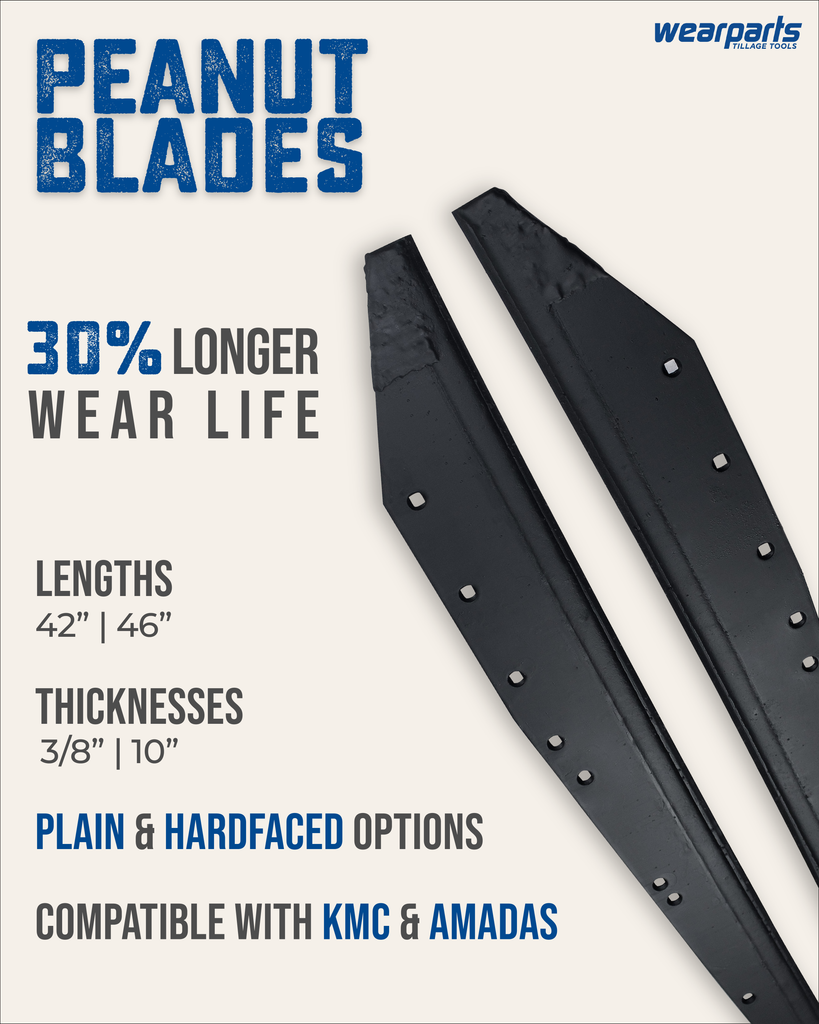
Wearparts peanut blades are designed specifically for demanding peanut harvest conditions and are available to fit popular KMC and Amadas peanut diggers.
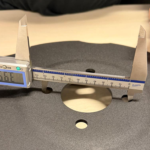
Manufactured from boron steel, Wearparts peanut blades are built for strength, sharpness and extended wear life. Optional CMT hardfacing adds material to high-wear areas of the blade, helping the cutting edge stay sharper and wear more consistently in demanding soil conditions.
For Southern growers, this is also a product category close to home for Wearparts. With operations in Valdosta, Georgia, Wearparts has a direct connection to one of the country’s most important peanut-producing regions.
Get Ready Before It’s Time to Dig
Growers put months of work into getting a peanut crop to harvest. Once maturity checks say it’s time to dig, the condition of a wear part shouldn’t be what determines whether the machine is ready.
Inspect your peanut digger now, replace questionable blades before they become a problem and make sure you’re prepared when the crop reaches its harvest window. Explore Wearparts peanut blades or contact the Wearparts team if you need help finding the right blade for your machine. Because when the peanuts are ready, your blades should be ready too.
Sources
(1) USDA National Agricultural Statistics Service. Crop Production – August 2026. August 12, 2026. https://www.nass.usda.gov/Publications/
(2) University of Georgia Cooperative Extension. Farmer Benefits from “Tried and True” Method to Determine Peanut Maturity. https://extension.uga.edu/about/our-impact/impact-stories/impact-statement/133/farmer-benefits-from-tried-and-true-method-to-determine-peanut-maturity.html
(3) University of Georgia Cooperative Extension. Peanut Harvest Maturity and Profitability. https://extension.uga.edu/about/our-impact/impact-stories/impact-statement/9999/peanut-harvest-maturity-and-profitability.html
(4) University of Georgia Cooperative Extension. Peanut Digger and Combine Efficiency. https://secure.caes.uga.edu/extension/publications/files/pdf/B%201087_2.PDF