The Real Cost of Downtime During Harvest and Fall Fieldwork
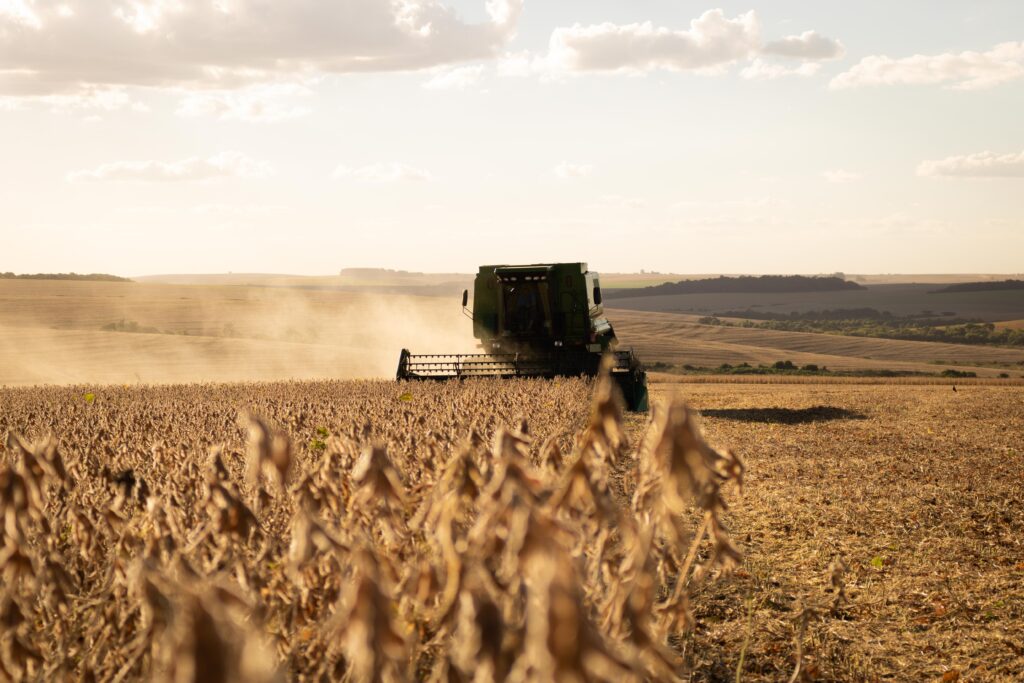
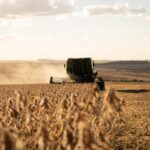
During harvest and fall fieldwork, time matters. A broken or worn part that might be a minor inconvenience during the off-season can become an expensive problem when crops are ready, weather is changing and there are only so many workable hours in the day.
The cost of downtime isn’t limited to the replacement part or repair bill. Every hour a machine sits can affect labor, fuel, field efficiency and the ability to finish work within the right window.
The Repair Bill Is Only Part of the Cost
Farm machinery is already one of the largest expenses on many operations. A 2026 University of Missouri Extension analysis notes that fuel, maintenance and labor — the costs farmers most readily associate with running equipment — can represent 60% or less of total machinery costs over the life of a machine. Depreciation, interest, repairs, taxes and insurance add significantly to the true cost of equipment ownership. (1)
When equipment goes down during harvest or fall tillage, those costs don’t stop. Operators may still be on the clock. Other equipment may be waiting. A replacement part may require expedited freight. And if the repair can’t be made immediately, the bigger expense may be losing valuable field time.
University of Minnesota Extension specifically identifies downtime as an important consideration when evaluating machinery costs. Its 2026 guidance points out that a breakdown during a critical window such as harvest can create costs beyond the repair itself, including lost yield, rush repair expenses and potential weather-related losses. (2)
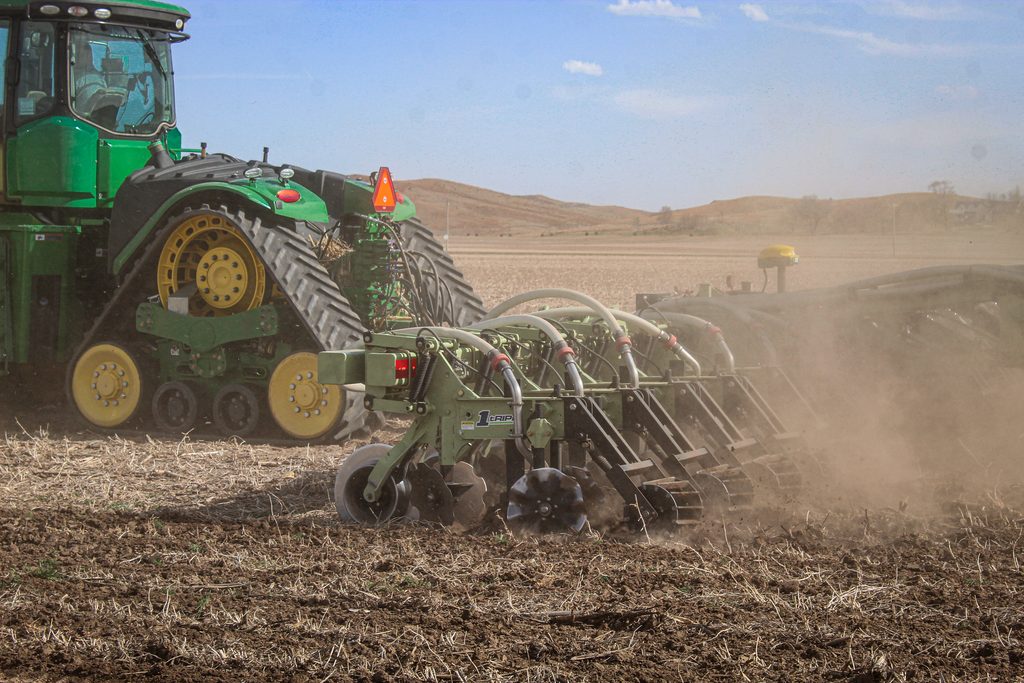
One Lost Day Can Change the Plan
Farmers can’t control the weather, which makes the hours when conditions are right especially valuable. A machine that goes down today may not simply resume tomorrow. Rain can move in. Soil conditions can change. Harvest can be delayed. Fall tillage can get pushed further into a narrowing seasonal window.
Meanwhile, operating costs continue to matter. A July 2026 analysis of Nebraska custom rates reported an average labor charge of about $28.79 per hour among survey respondents. It also noted that fuel, labor, repairs and machinery wear all contribute to field-operation costs, with the value of timely service becoming particularly important during peak planting and harvest periods. (3)
That makes preventing an avoidable breakdown more than a maintenance issue. It’s an operating-cost issue.
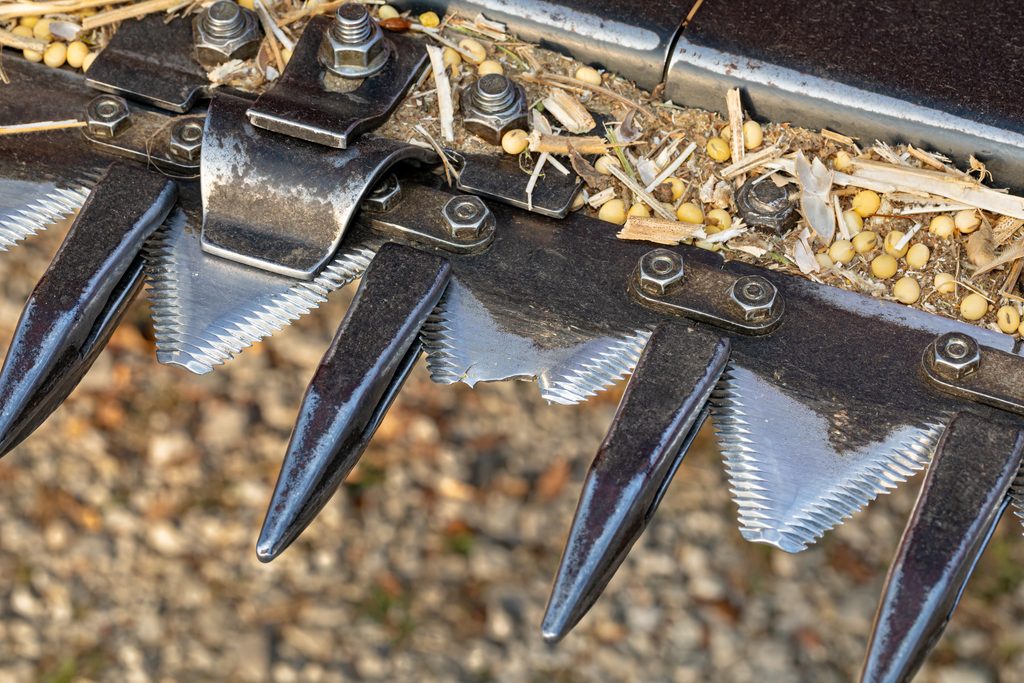
Small Wear Parts Can Create Big Delays
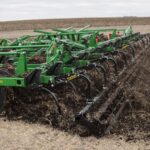
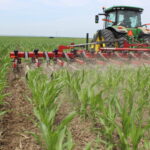
Not every breakdown starts with a major component. Fall tillage parts like disc blades, bearings, field cultivator sweeps, ripper points and coulter blades, and harvest parts including guards, sickle sections, and mower blades are all components that face demanding field conditions and eventually wear.
A worn blade may stop cutting effectively. A failing bearing can eventually take other components with it. Worn sweeps or points can affect penetration and field performance. Even when the machine keeps moving, worn components may reduce efficiency enough to require slower speeds, adjustments or additional passes.
That’s why inspecting wear parts before the busiest part of the season matters.
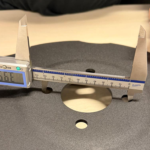
Look for excessive wear, cracks, uneven wear patterns, loose bearings and components approaching their minimum usable dimensions. If a part already looks questionable in the shop, consider what it will look like after another several hundred acres.
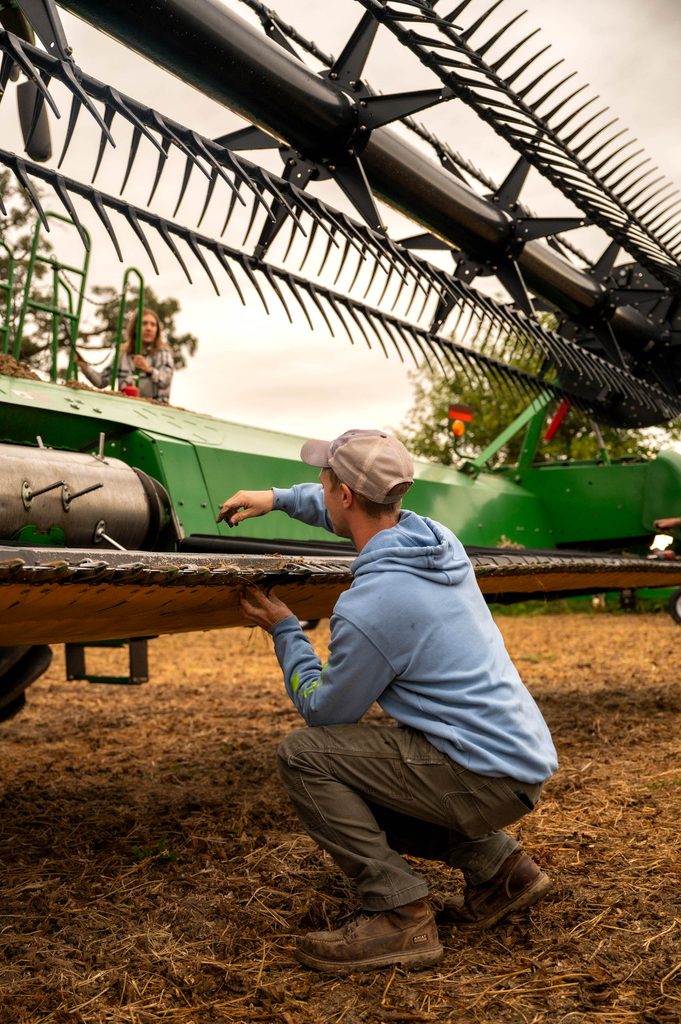
Replace Parts on Your Schedule
No maintenance program can eliminate every equipment failure. But replacing predictable wear items before they fail gives you something extremely valuable during harvest and fall fieldwork: control over when the machine stops.
Wearparts offers a wide selection of replacement harvest and cutting systems and replacement tillage parts for popular agricultural equipment, helping growers and dealers have the components they need before a worn part turns into downtime.
Because during the busiest weeks of the season, the most expensive part isn’t always the one you replace. It’s the one you didn’t replace soon enough.
Sources
(1) University of Missouri Extension. Maximize Your Margin by Minimizing Fixed Machinery Costs. June 15, 2026.
https://extension.missouri.edu/news/maximize-your-margin-by-minimizing-fixed-machinery-costs
(2) University of Minnesota Extension. When Is It Time to Upgrade Your Farm Equipment? January 8, 2026.
https://extension.umn.edu/about/our-stories/news/ag-business-management-news/when-it-time-upgrade-your-farm-equipment
(3) Farm Progress. Setting Ag Custom Rates: What Should You Be Charging? July 1, 2026.
https://www.farmprogress.com/farm-business/setting-ag-custom-rates-what-should-you-be-charging-