Reducing Weed Pressure to Improve Field Performance
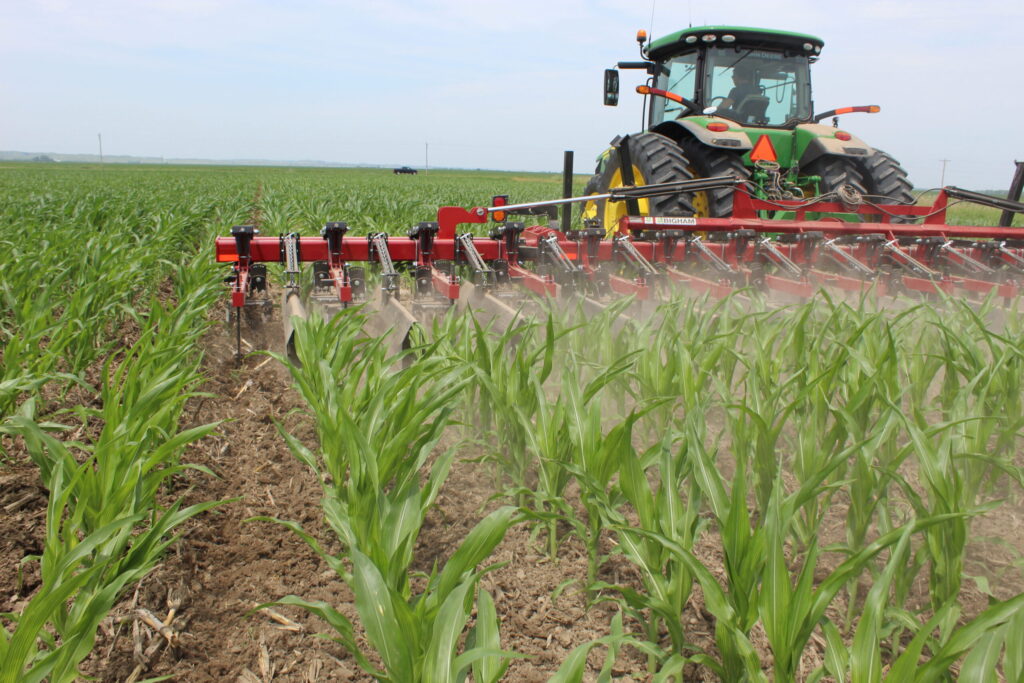
Since the beginning of agriculture, weed management has been one of the biggest challenges facing growers. Whether today’s farmers are producing row crops, maintaining field productivity, or managing input costs, controlling weeds plays a major role in protecting yield potential (1).
While herbicides remain an important part of modern agriculture, many operations are strengthening results through integrated weed management strategies that combine chemical, cultural, and mechanical practices. One of the most effective mechanical approaches available is tillage.
Strategic tillage can reduce weed pressure, interrupt weed life cycles, improve seedbed conditions, and create better opportunities for successful crop establishment (2). When paired with quality tillage equipment and dependable replacement wear parts, tillage becomes an important tool for long-term field performance.
Why Weed Management Matters
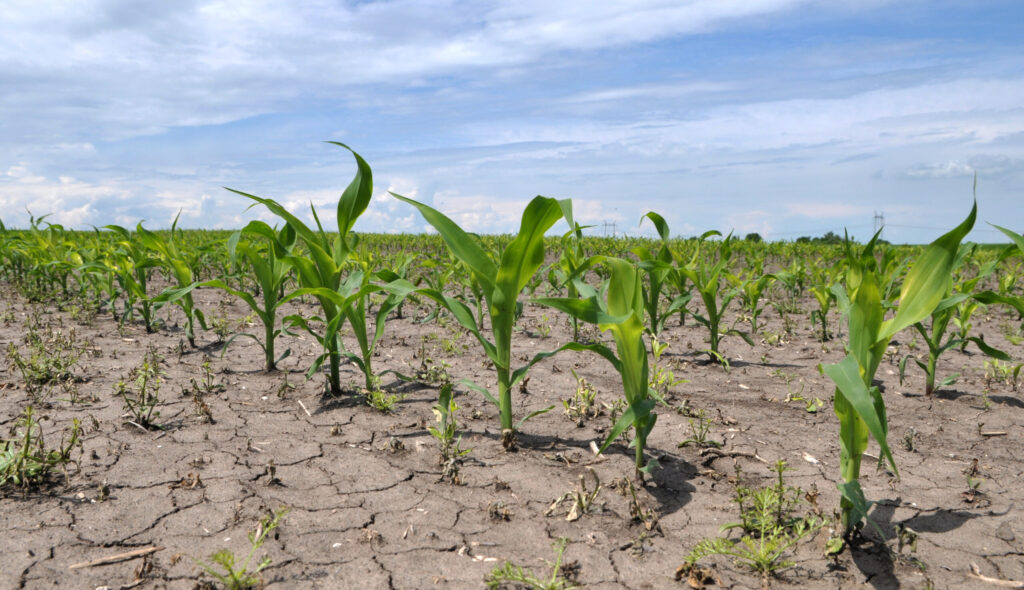
Weeds compete directly with crops for critical resources including water, nutrients, sunlight, and root space. When weed populations become established, they can reduce yields, increase production costs, and create additional challenges in future growing seasons through expanding weed seed populations.
Effective weed management is not simply about eliminating visible weeds—it is also about reducing future emergence and supporting healthy crop competition.
How Tillage Helps Control Weeds
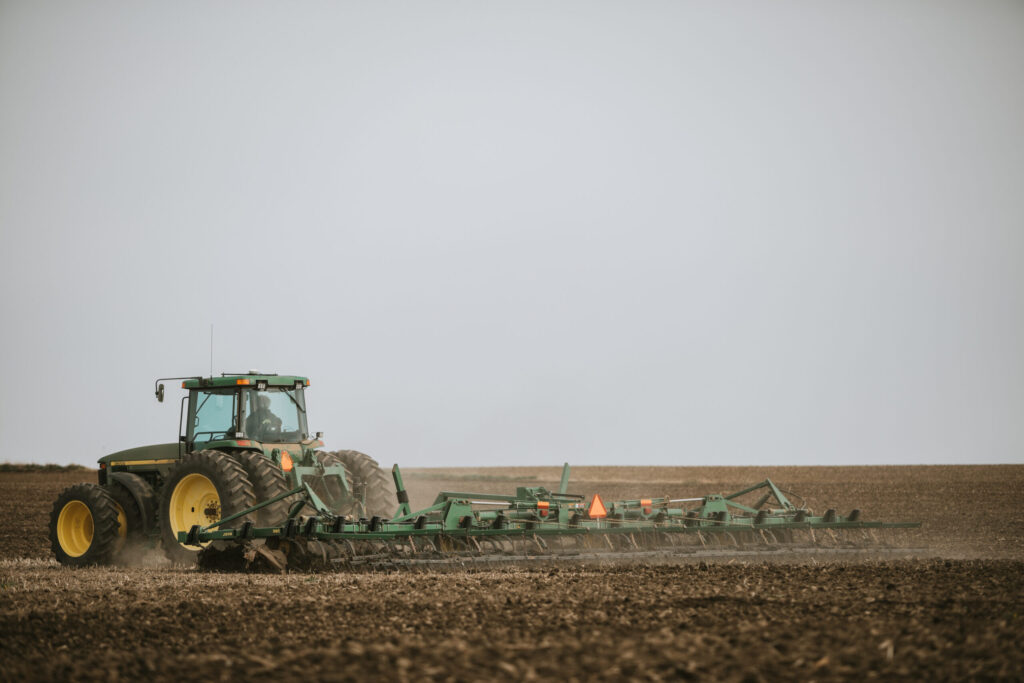
Tillage works by mechanically disturbing soil and vegetation to disrupt weed establishment and reproduction (2).
Unlike herbicides that rely on chemical action, tillage physically affects weeds by:
- Uprooting young plants
- Severing root systems
- Burying weed seeds
- Exposing roots to drying conditions
- Encouraging controlled germination before planting
When timed correctly, tillage can reduce early-season competition and improve overall crop establishment.
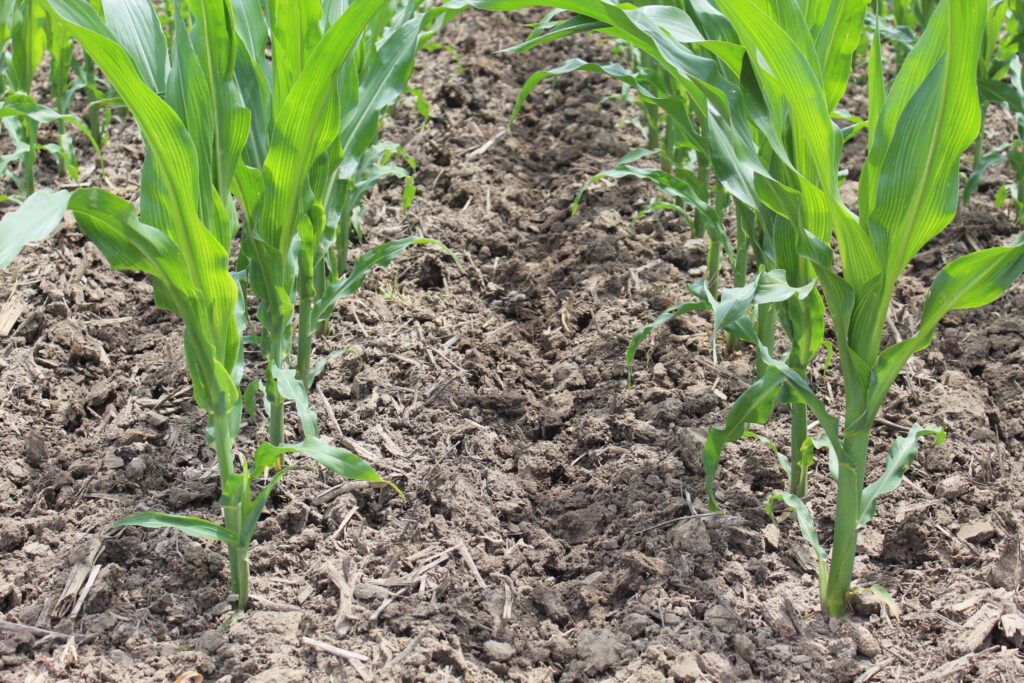
Reducing Existing Weed Pressure Before Planting
One of the most immediate advantages of tillage is removing weeds before crops emerge.
Pre-plant tillage operations help create cleaner fields and reduce competition during critical early growth stages. Annual weeds are often more susceptible to mechanical control because their root systems have not fully developed.
This early-season advantage can support stronger crop establishment and improved productivity.
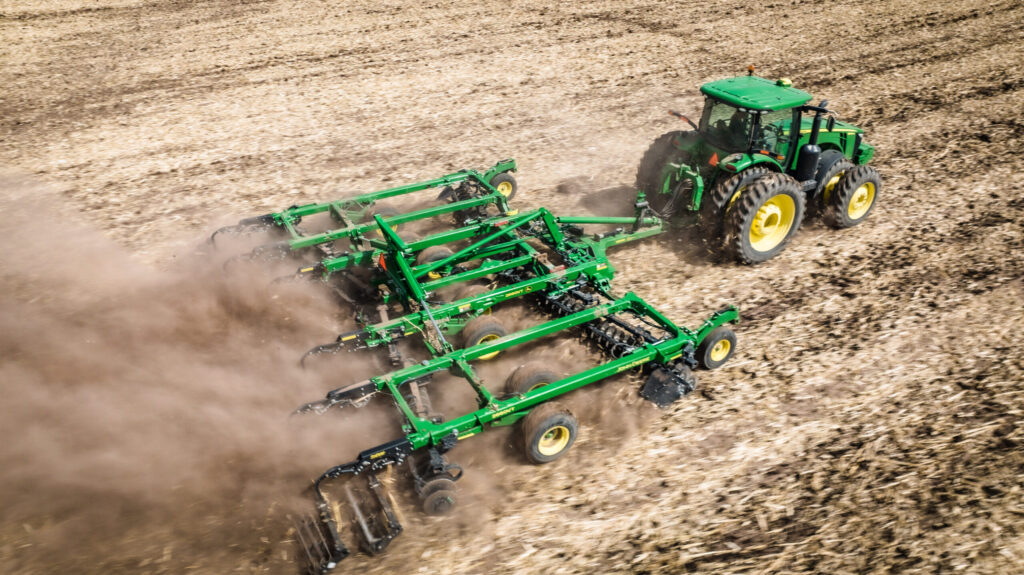
Managing the Weed Seed Bank for Long-Term Results
Weeds often seem to appear out of nowhere. That’s because every field contains a weed seed bank—a reserve of dormant weed seeds stored throughout the soil profile (3).
Research consistently shows that soil disturbance and tillage practices influence both weed emergence and long-term weed population dynamics. Some weed species germinate best near the surface, while others respond differently depending on tillage intensity and timing.
Tillage affects the seed bank in two important ways:
- Burying Weed Seeds Below Germination Depth
Many weed species require favorable surface conditions to emerge. Certain tillage methods can move seeds deeper into the soil profile, reducing successful germination during the current season.
- Encouraging Early Germination for Removal
Shallow tillage may also stimulate early weed emergence before planting. This allows growers to remove weeds mechanically or chemically before crops are established. Often referred to as a stale seedbed approach, this strategy can reduce competition during crop establishment.
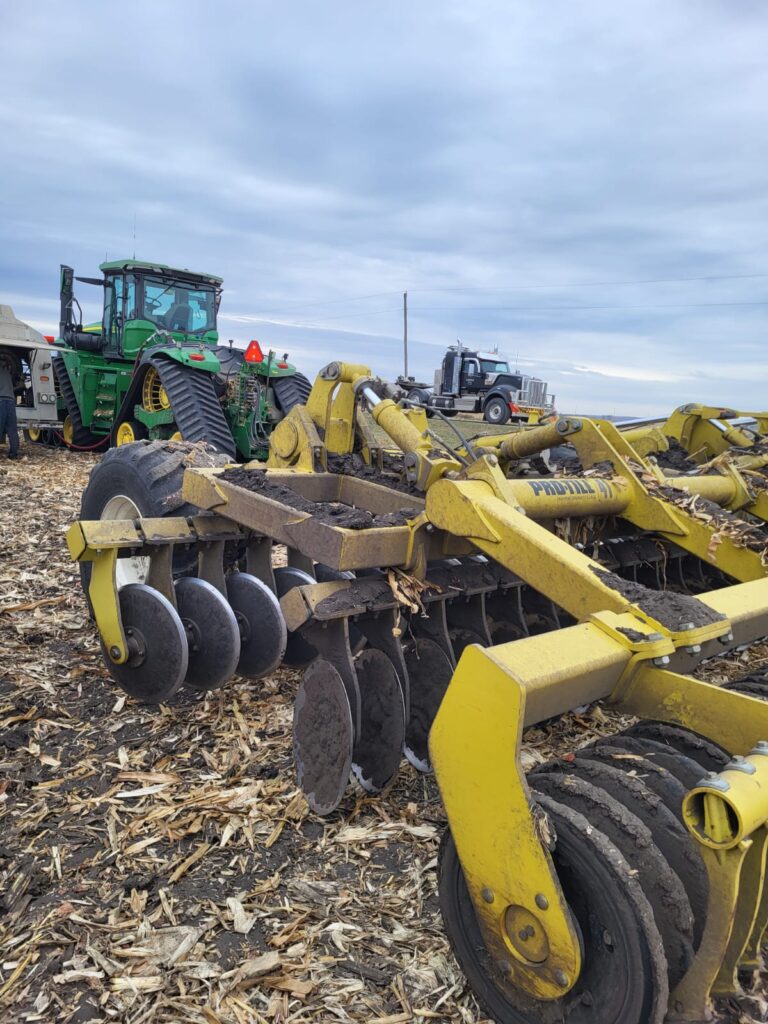
Equipment Performance Supports Better Weed Control
Equipment condition directly influences tillage effectiveness.
Worn blades, shanks, and soil-engaging components can reduce penetration consistency and create uneven disturbance patterns that allow weeds to survive.
Routine inspection and timely replacement of wear parts support uniform tillage depth, reliable soil engagement, and reduced downtime.
Contact your local Wearparts dealer today to ensure your wear parts are ready to combat weeds and increase your yield.
Sources
- Tillage Effects on Weed Management. Bayer. https://www.cropscience.bayer.us/articles/bayer/tillage-effects-weed-management
- Conservation Tillage and Weed Management. UC Davis. https://soilhealth.ucdavis.edu/application/files/7015/4222/0655/UC_ANR_conservation_tillage_and_weed_management.pdf
- How to Understand the Weed Seed Bank. Farm stand App. https://www.farmstandapp.com/60276/how-to-understand-and-manage-the-weed-seed-bank/
- Preparing for Fall Tillage: Set the Stage for a Successful Spring
- Slow Crop Emergence in 2026: What This Season Is Teaching Farmers
- Reducing Weed Pressure to Improve Field Performance
- Sharing the Road: Top Tips for Safety Around Farm Equipment
- Aged to Perfection: How to Maintain Your Machines with Increasing Interest in Used Farm Equipment