Harvest Conditions and Their Impact on Fall Tillage
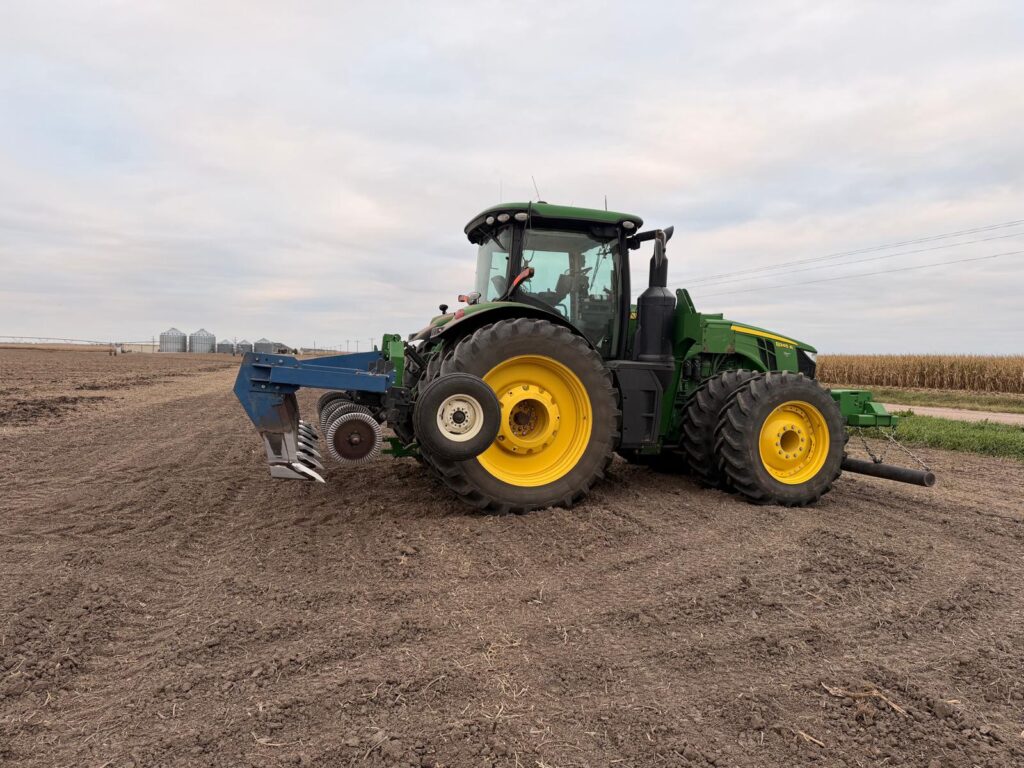
Harvest season is in full swing, but getting crops out of the field is only part of the equation. The conditions farmers encounter during harvest can have a significant impact on what happens next, particularly when it comes to fall tillage.
From saturated soils to dry, compacted ground, this year’s harvest conditions are creating different challenges across the Midwest. Understanding how those conditions affect soil structure, residue management, and equipment performance can help farmers make informed decisions as they transition from the combine to the tillage equipment.
Wet Conditions and Soil Compaction
Excessive moisture has been a major concern during the 2026 harvest season. According to Successful Farming, Iowa experienced fewer than two suitable fieldwork days per week during late September and early October, with saturated soils contributing to harvest delays and concerns about rutting and compaction [1].
When heavy equipment travels across wet fields, the weight of combines, tractors, and grain carts can compress the soil, restricting water movement and root development.
While fall tillage may help address certain surface conditions, working excessively wet ground can create additional problems. Waiting for suitable soil moisture before tillage can help preserve soil structure and reduce unnecessary compaction.
Dry Soil Creates Different Challenges
While some areas are dealing with excessive rainfall, others have experienced considerably drier conditions.
A September report from Brownfield Ag News highlighted contrasting weather patterns across the Corn Belt, with portions of the region receiving repeated heavy rainfall while neighboring areas experienced drier conditions [2].
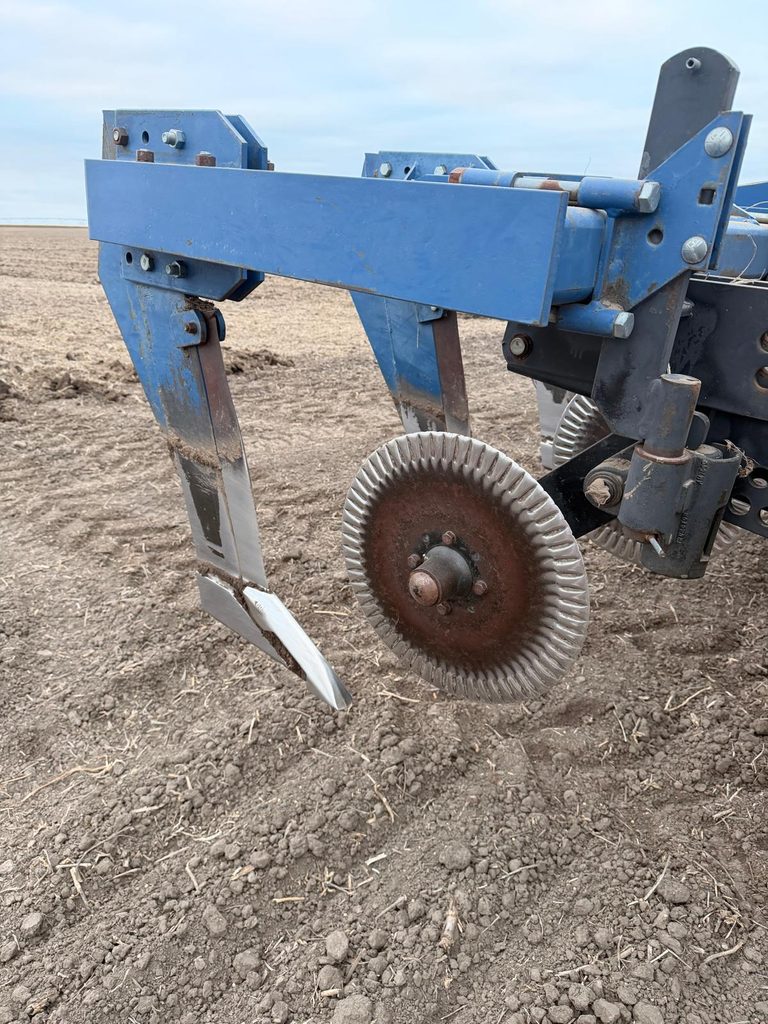
Dry, hardened soil can increase resistance during tillage operations, placing additional demands on disc blades, sweeps, and other ground-engaging components.
Under these conditions, maintaining sharp, properly functioning disc blades becomes especially important. Worn components may struggle to penetrate consistently, potentially affecting tillage depth, residue incorporation, and overall field performance.
Managing Residue After Harvest
Crop residue is another important consideration as farmers move into fall fieldwork.
Corn stalks, soybean residue, and unevenly distributed crop material can influence how effectively tillage equipment operates. Heavy residue may require adjustments to tillage depth, speed, or equipment settings to achieve the desired results.
An October report from Brownfield Ag News emphasized the importance of evaluating field conditions during harvest, particularly as excessive moisture and crop health concerns complicate decisions across the Corn Belt [3].
For farmers planning fall tillage, evaluating residue levels and inspecting cutting components can help ensure equipment is prepared for the conditions ahead. Choosing the appropriate tillage replacement parts for specific field conditions can also support consistent equipment performance.
Preparing for the Next Pass
No two harvest seasons are exactly alike, and this year’s conditions reinforce the importance of adjusting fieldwork plans accordingly.
Whether dealing with saturated ground, hardened soil, or heavy crop residue, equipment condition plays an important role in tillage performance.
At Wearparts, we understand that dependable ground-engaging components are essential when field conditions change. Inspecting disc blades, sweeps, and other wear parts before heading into fall tillage can help farmers maintain consistent performance and make the most of available fieldwork opportunities.
Explore our selection of premium tillage and planting parts to find replacement components designed to handle demanding field conditions.
Because a successful fall tillage season starts with understanding the ground you’re working.
Sources
[1] Successful Farming. (October 8, 2026). “Iowa Harvest Gets More Rain: When Will Fields Dry?”
https://www.agriculture.com/iowa-harvest-gets-more-rain-when-will-fields-dry-12163518
[2] Brownfield Ag News. (September 25, 2026). “Climatologist Says Wet Weather Could Delay Harvest Weeks, Possibly Months.”
https://www.brownfieldagnews.com/news/climatologist-says-wet-weather-could-delay-harvest-weeks-possibly-months/
[3] Brownfield Ag News. (October 2, 2026). “Wet Conditions Create Harvest Challenges, Risks.”
https://www.brownfieldagnews.com/news/wet-conditions-create-harvest-challenges-risks/