Fewer Passes, Lower Fuel Costs: How No-Till Farming Can Protect Your Bottom Line
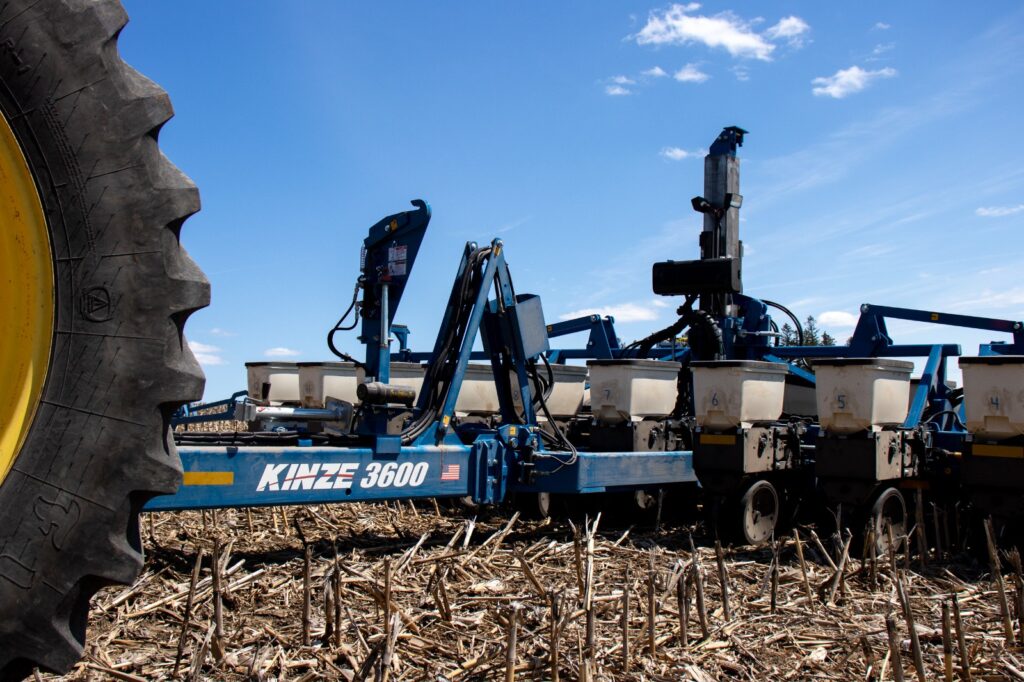
When diesel prices climb and profit margins tighten, every trip across the field matters. For farmers looking to control operating expenses without compromising productivity, no-till and reduced-tillage practices offer an opportunity to save fuel, reduce equipment wear, and make every acre more cost-effective.
But how much can eliminating tillage passes actually save? And what role does equipment performance play in making no-till successful?
The Real Cost of Tillage
Traditional tillage practices often require multiple field passes before planting even begins. Chiseling, disking, cultivating, and seedbed preparation all consume fuel, labor, and valuable time. With diesel prices remaining a concern for producers, those expenses add up quickly.
An October 2026 analysis from the University of Illinois farmdoc daily reported agricultural diesel prices in Illinois reaching $5.76 per gallon in mid-October. Researchers estimated that higher fuel prices would increase 2026 fuel and oil expenses by approximately $6 per acre for corn and $5 per acre for soybeans compared to 2025. (1)
For a 2,000-acre operation, even modest per-acre increases can make a significant difference.
How Much Fuel Can No-Till Save?
No-till farming eliminates most soil-preparation passes by planting directly into undisturbed soil and existing crop residue. The potential savings are substantial.
A May 2026 report from South Dakota State University Extension compared conventional tillage systems averaging approximately six gallons of fuel per acre with continuous no-till systems averaging two gallons. (2)
That’s a difference of four gallons per acre.
At an illustrative diesel price of $4.50 per gallon, a 2,000-acre operation could potentially save:
- 8,000 gallons of diesel annually
- $36,000 in annual fuel expenses
- Additional labor, maintenance, and machinery operating costs
Actual savings depend on field conditions, equipment, and the tillage system being replaced.
Fewer Passes Mean More Than Fuel Savings
Reducing tillage can deliver benefits beyond the fuel tank. An October 2026 Iowa State University Extension article examined the economics of eliminating unnecessary tillage operations. Its analysis demonstrated how reducing field passes can lower variable costs associated with fuel, labor, and machinery repairs. (3)
Fewer passes can mean fewer tractor hours, less equipment wear, and more time available for other critical farming operations. Leaving crop residue on the surface also helps protect soil against erosion and retain moisture, supporting long-term field productivity.
However, no-till isn’t a one-size-fits-all solution. Soil conditions, residue levels, crop rotations, and weed management requirements all influence whether a no-till or reduced-tillage system makes sense.
Quality Cutting Components Still Matter
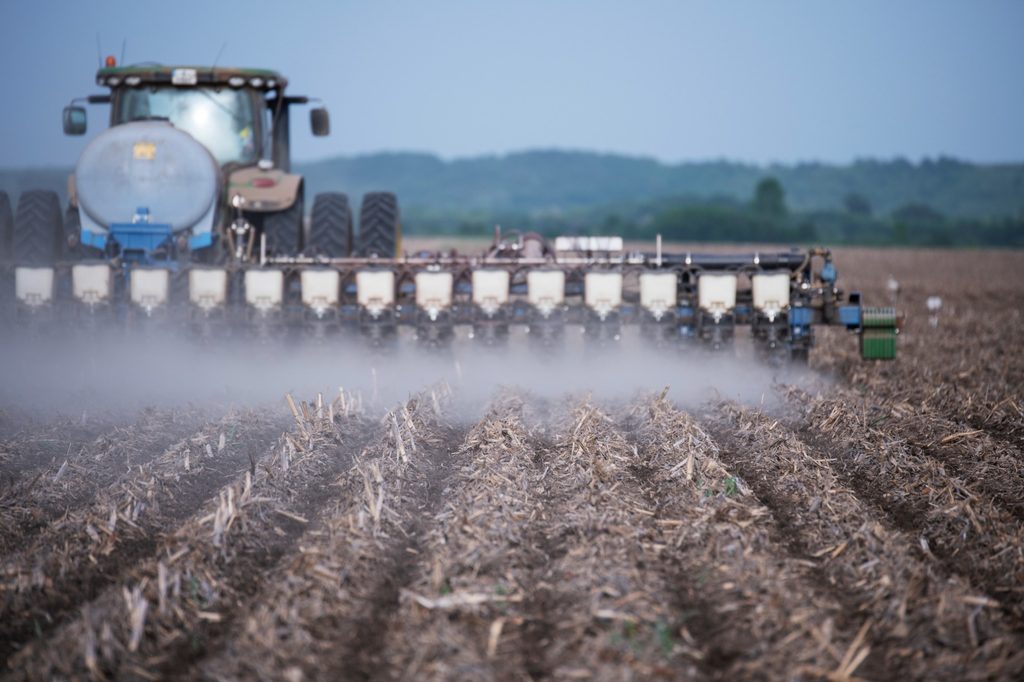
While no-till reduces soil disturbance, it doesn’t eliminate the need for dependable ground-engaging components. In fact, planting directly into heavy crop residue places greater importance on cutting performance.
Sharp, durable disc openers, row cleaners, or coulter blades help cut through residue, create consistent seed furrows, and support proper seed placement.
Worn or poorly performing components can contribute to residue hairpinning, inconsistent planting depth, and unnecessary downtime.
At Wearparts, we understand that every acre counts. Our focus is on delivering reliable, high-performance replacement tillage and planting parts that help farmers and equipment operators get the job done efficiently.
Whether you’re running conventional tillage, transitioning to strip-till, or operating a no-till system, choosing the right components is an important part of protecting your investment.
Make Every Pass Count
Fuel costs may be outside a farmer’s control, but equipment decisions and field management practices aren’t. By evaluating unnecessary tillage passes, maintaining equipment, and investing in dependable wear parts, producers can find opportunities to improve efficiency and protect profitability.
Fewer passes. Less fuel. More value from every acre. That’s efficiency worth working toward.
Sources
(1) University of Illinois farmdoc daily. (October 2026). Diesel Fuel Price Impact on Fuel, Oil, and Per-Acre Machinery Costs.
https://farmdocdaily.illinois.edu/2026/10/diesel-fuel-price-impact-on-fuel-oil-and-per-acre-machinery-costs.html
(2) South Dakota State University Extension. (May 2026). Economic Advantages of No-Till: Diesel Fuel.
https://extension.sdstate.edu/economic-advantages-no-till-diesel-fuel
(3) Iowa State University Extension. (October 2026). The Cheapest Tillage Pass Is the One You Don’t Make.
https://crops.extension.iastate.edu/post/cheapest-tillage-pass-one-you-dont-make
- Fewer Passes, Lower Fuel Costs: How No-Till Farming Can Protect Your Bottom Line
- Harvest Conditions and Their Impact on Fall Tillage
- Peanut Harvest Is Coming: Are Your Digger Blades Ready?
- Wearparts Goes Global: Growing Our Presence in Europe

- The Real Cost of Downtime During Harvest and Fall Fieldwork