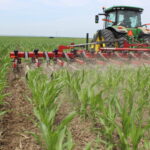
Post-Harvest Soil Optimization: Fall Tillage Strategies and Tools
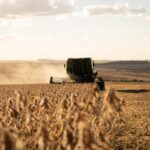
Once harvest wraps up, attention quickly turns to preparing fields for the next growing season. Post-harvest is an important opportunity to evaluate soil conditions, manage crop residue and address compaction or weed pressure before spring planting.
Cover crops can play an important role in that strategy, but they aren’t the only option. Fall field management should be based on actual soil moisture, residue levels, compaction and the needs of the next crop. In 2026, variable weather and drought conditions in several growing regions have made that field-by-field approach particularly important.
Let’s take a look at how to optimize fall tillage while protecting soil structure and preparing fields for next season.
Why fall tillage?
In no-till systems, soil disturbance after harvest may be minimal or avoided altogether. In other systems, fall tillage can be useful for addressing specific problems such as compaction, harvest ruts, heavy residue or weed pressure. However, unnecessary tillage can break down soil structure and reduce the protective benefits of crop residue, so the goal should be to use only as much disturbance as field conditions require.
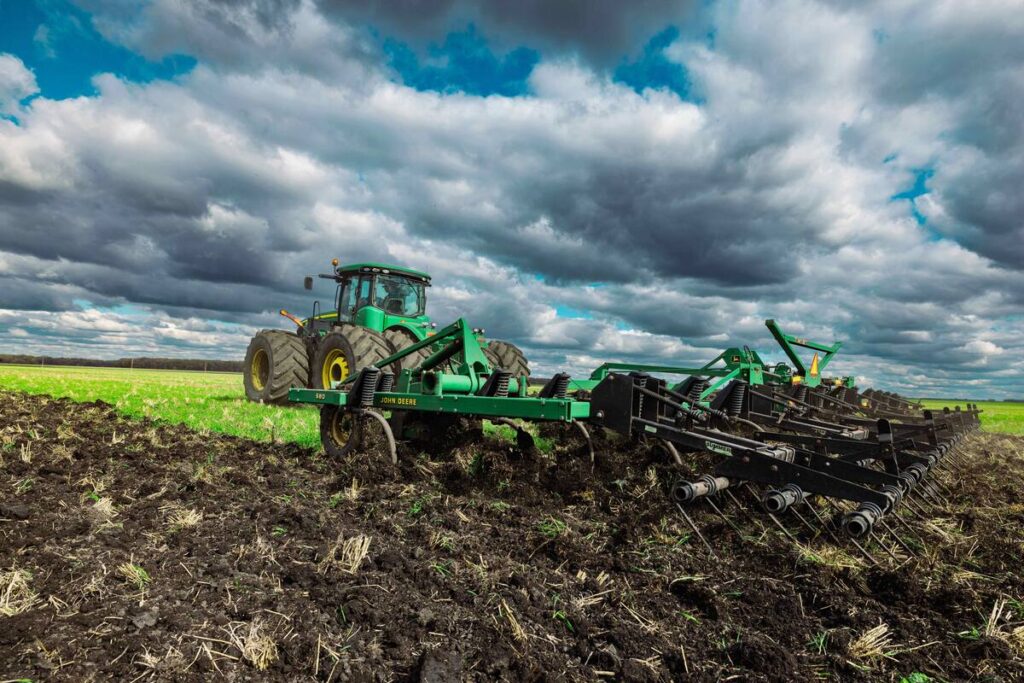
What kind of fall tillage is right for my farm?
Unless you’re new to farming, you’ll already have a good idea of what type of tillage you need to counteract any soil problems that have arisen over summer, or that are likely to occur in the winter months. For instance, if you know a particular part of the farm is prone to aggressive weeds, you’ll want to address those before they get established. If you have a field where the soil has become very baked, you might want to break that up so that fall rains can sink in rather than run off.
But if you want to get really technical about which fall tillage method is right for your soil – and even which tillage tools to use – a great way to find out is to use a soil compaction probe or penetrometer.
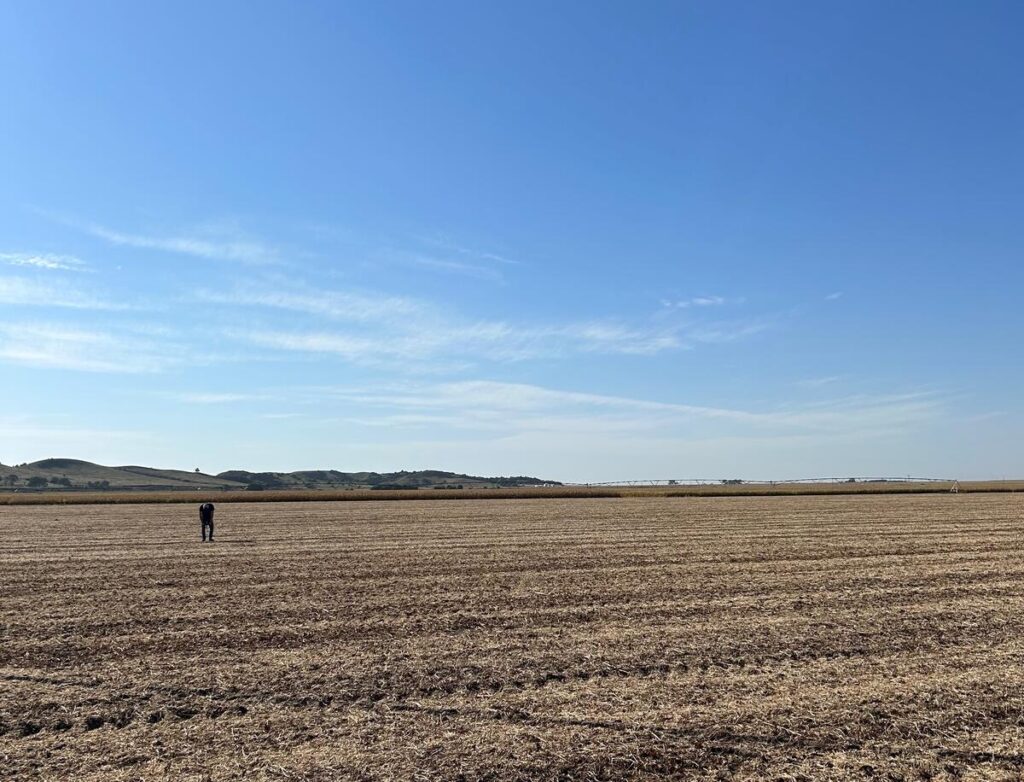
What is a soil penetrometer used for?
A soil penetrometer is a probe with a handle and a gauge for measuring pressure (PSI). It is used to determine whether the soil in a particular field or area has a compaction layer, and if so, how deep that layer runs.
A penetrometer measures resistance as it is pushed through the soil, helping identify changes in density and potential compacted layers. Readings should be interpreted carefully because soil moisture, soil type and field conditions can significantly affect resistance.
The probe has a sharp tip that is inserted into the soil and manually pushed down. When the pressure reaches 300PSI, the depth is noted. The user then continues to push the probe into the soil until the pressure required drops to less than 300PSI, and this depth is also noted. The difference between the two measurements is the depth of the compaction layer.
Once you’ve determined where your soil compaction is, how deep it is, and which crops you want to grow there next, you can make an informed decision about how deeply and aggressively you need to till the soil.
How much tillage do I need?
The goal of your tillage operations is to reduce soil compaction to less than 150PSI within the root zone of the crop you are planning to grow. For shallow-rooted crops like lettuce, you may only need 12 inches of non-compacted soil, so a deeper compaction layer may not need to be disturbed.
For deep-rooted crops like corn, which can penetrate as far as 4 feet, some surface compaction can be easily resolved without the need for aggressive, deep tillage blades – the developing roots will do the rest on their own.
Information about the severity and depth of soil compaction should be weighed against other factors, particularly soil moisture – ideally 24 hours after a saturating rain or irrigation cycle. If the soil is very dry, the PSI reading will be much higher and you could end up performing unnecessary tillage to resolve a problem that could be fixed with water.
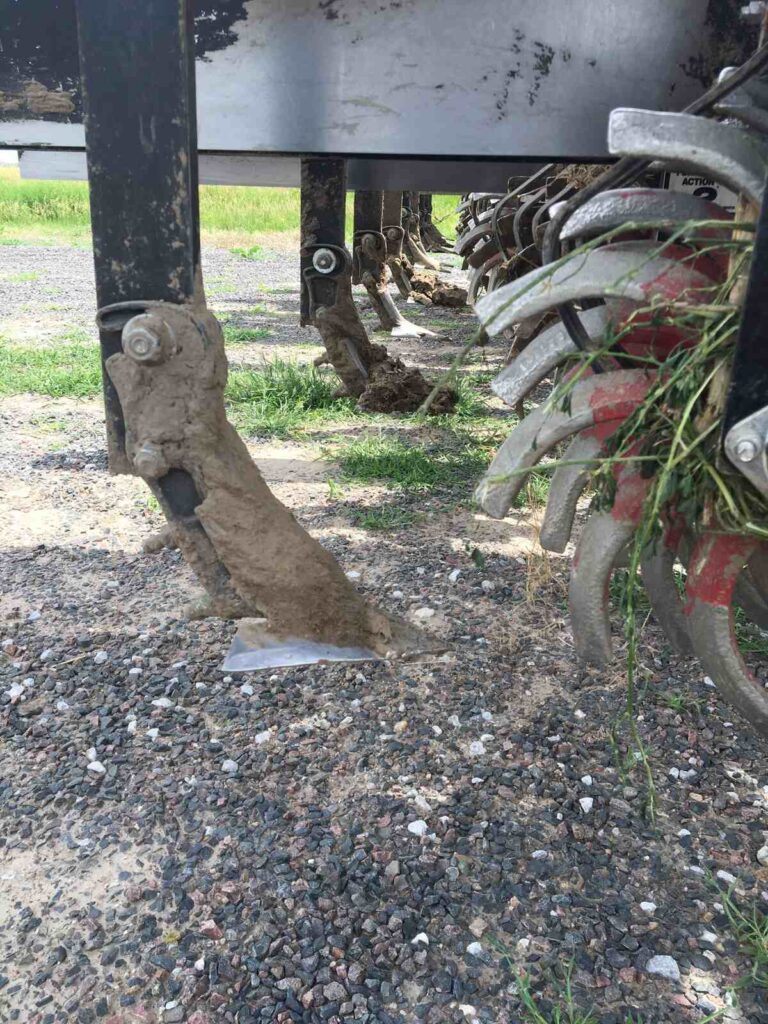
What type of tillage tools should I use to reduce compaction?
Depending on the severity and depth of your soil’s compaction layer, you can select tillage tools to address it with the least amount of soil disturbance.
Leaving the soil undisturbed has benefits for reducing future compaction because it preserves the natural structure – the plant material, earthworm burrows, pores and biodiversity that enable soil to move moisture and nutrients around.
There are options for shallow, medium and deep tillage as well as options for how much you want to displace the soil, which we’ll explore below:
Shallow tillage tools
High-speed compact discs
High-speed compact discs are generally used for shallow-to-moderate tillage, residue sizing and seedbed preparation. Working depth varies by machine design, blade configuration and field conditions.
Cultivators
Cultivators are also used for shallow or secondary tillage, either to remove weeds or to create a fine surface tilth for seed sowing. Cultivators can be fitted with a variety of tools including ripper points, disc blades and sweep blades (also known as shovels).
Sweeps
A sweep or shovel is a wide, footed blade with a sharp nose and one or two ‘wings’ extending out either side. The point of the blade penetrates the soil at a shallow depth of around 10-15cm and the wings are dragged through parallel to the soil surface, slicing weeds just below the surface and breaking up the hardpan if present.
Vertical tillage blades
Vertical tillage blades are designed primarily for shallow residue and soil management with limited horizontal soil movement. Actual working depth depends on the equipment, blade design and operating conditions.
Coulter blades
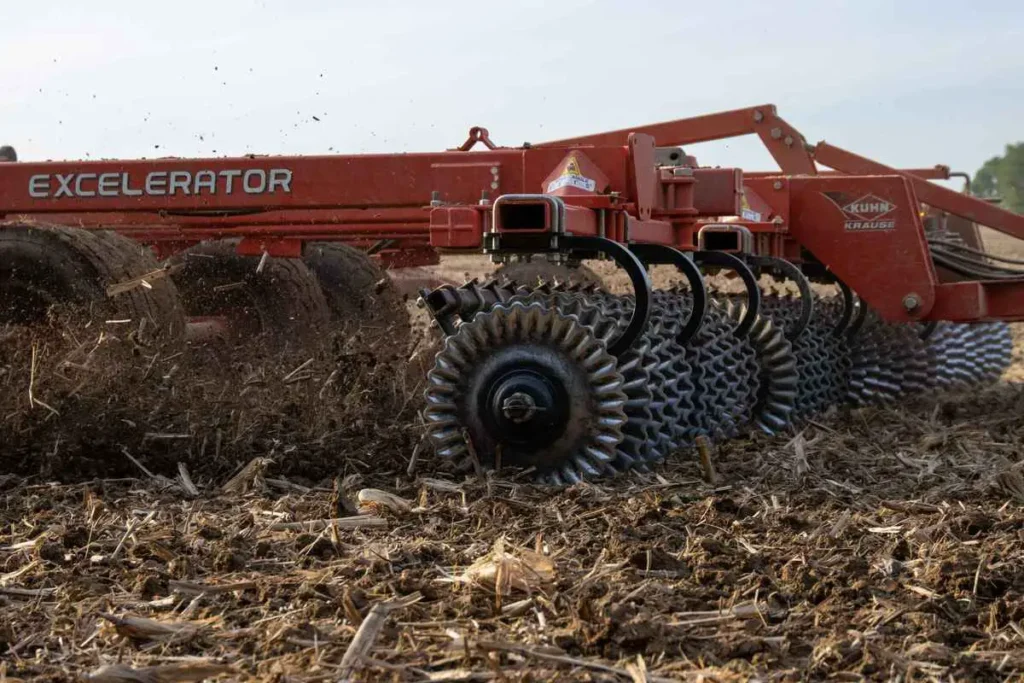
Coulter blades are typically run in front of deeper tillage blades to chop residue or soften the soil, but they can be used for shallow tillage. They start from around 15 inches in diameter which gives around 7 inches of soil penetration. Wavy or fluted coulter blades have a more aggressive action which helps to break up clumps of residue or clods of soil on the surface.
Medium tillage tools
Medium-depth tillage can be carried out by using tillage tools that are adjustable – so for example, chisel plow spikes are normally a deep tillage tool, but their depth can be raised so they don’t go as deep.
Likewise some shallow tillage tools, like vertical tillage blades, can have a more aggressive action if you choose wavy or fluted blades that cause more lateral soil displacement.
Deep tillage tools
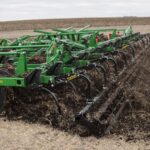
Chisel Plow / Subsoiler
A chisel plough is a heavy duty machine that drags sharp points called chisel plow spikes down into the soil and then pulls them along underneath the surface at a maximum depth of around 18 inches.
Chisel ploughs are specifically designed to address compaction of the subsoil without disturbing residue on the surface. They are most often used in dry regions, where they can help to aerate the soil and facilitate moisture infiltration.
Disc blades
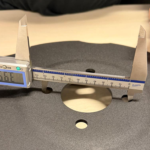
Disc blades are available in a wide range of depths, typically up to 42 inches but sometimes even larger, and can penetrate up to 24 inches below the soil surface
The edge of a disc blade may be smooth or notched to aid the cutting action of the blade and prevent clogging with mud or residue. Disc blades often have a concave profile, like a shallow bowl – the more concave the disc, the more aggressive the tillage.
The dished shape has a similar effect to a traditional moldboard plow, turning over the top layer of soil as it passes through the field.
Get ready for fall tillage
At Wearparts, we manufacture and supply durable tillage components for a wide range of popular equipment brands, including disc blades, coulter blades, sweeps, chisel plow components and ripper points.
Choosing the right tool starts with understanding the problem you’re trying to solve. By evaluating compaction, moisture, residue and field conditions before tillage, growers can address problem areas while preserving as much soil structure as possible.
For help selecting components for your fall tillage setup, contact the Wearparts team or find your nearest Wearparts dealer.