Preparing for Fall Tillage: Set the Stage for a Successful Spring
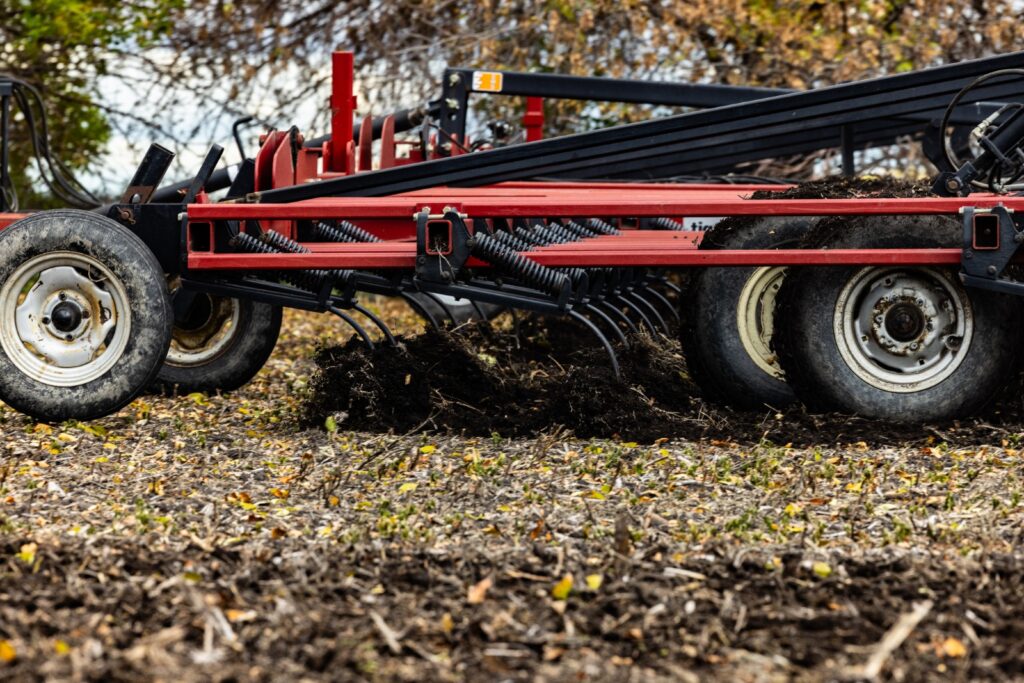
Harvest season is right around the corner, and while getting crops out of the field is the immediate priority, it’s also the perfect time to start thinking about what’s next. The decisions you make during fall tillage can have a lasting impact on next year’s planting conditions, soil health, and overall productivity.
Whether you’re managing heavy corn residue, addressing compaction, or preparing fields for a smoother spring planting season, having the right equipment—and the right strategy—can make all the difference.
Start With Your Field Conditions
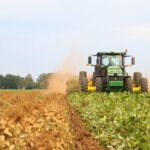
No two fields are the same. Before making the first tillage pass, evaluate residue levels, soil moisture, compaction, and drainage. A field with heavy corn residue may require a different approach than one coming out of soybeans, while areas showing signs of compaction may benefit from deeper tillage than the rest of the farm.
Agronomists continue to recommend matching the tillage implement to the specific challenges each field presents rather than relying on a one-size-fits-all approach. Strategic tillage can improve seedbed conditions while preserving soil structure when used appropriately (1). At the same time, it’s important to evaluate whether every acre actually requires tillage. Reducing unnecessary passes can lower fuel, labor, and equipment costs without sacrificing productivity when field conditions allow (4).
Whatever you’re replacing, selecting the correct wear parts before fall fieldwork helps ensure your equipment performs efficiently throughout the season.
Manage Residue, Don’t Just Move It
One of the biggest goals of fall tillage is effective residue management. Large amounts of crop residue can interfere with seed placement, delay soil warming, and reduce planter performance if left unmanaged.
Residue management actually begins during harvest. Properly adjusted combines spread residue more evenly across the field, allowing tillage tools to perform more consistently and promoting faster decomposition throughout the winter (2). Even residue distribution also helps eliminate wet, cold areas that can delay emergence in the spring.
The objective isn’t simply burying residue—it’s creating conditions that encourage decomposition while protecting the soil surface from erosion. Conservation-minded tillage practices continue to demonstrate that preserving some surface residue can improve moisture retention and reduce soil loss without compromising field performance (5).
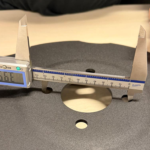
Sharp, properly sized Vertical Tillage Blades and Coulter Blades play an important role in residue sizing and distribution. Replacing worn blades before the season begins helps maintain cutting performance, reduce vibration, and improve overall field efficiency.
Address Compaction Before It Becomes a Problem
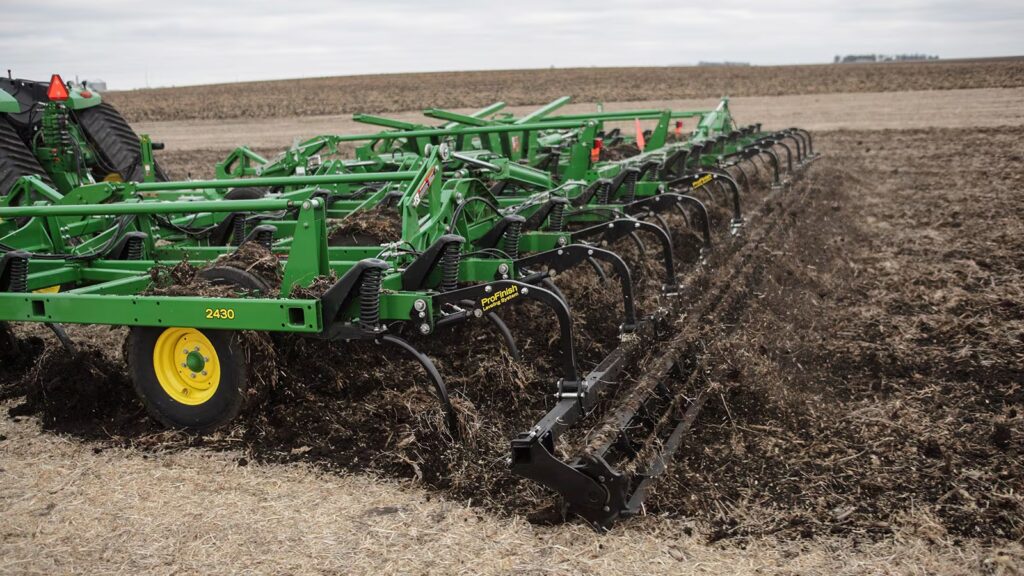
Harvest equipment can create wheel tracks and compacted soil that restrict root development and water infiltration. Fall is often the ideal opportunity to identify and correct these problem areas while soil conditions are favorable.
Deep tillage isn’t necessary every season or on every acre, but strategic tillage where compaction exists can improve drainage, increase rooting depth, and create better growing conditions for next year’s crop. Extension specialists also recommend evaluating soil conditions before performing aggressive tillage, as unnecessary disturbance can negatively affect soil structure over time (3).
For operations using rippers or other deep tillage equipment, inspecting and replacing worn Ripper Points and related hardware before entering the field helps maintain proper penetration depth and consistent performance across every acre.
Inspect Equipment Before You’re Ready to Roll
Nothing slows harvest or fall fieldwork like unexpected downtime. Before heading to the field, inspect your tillage equipment thoroughly. Pay close attention to:
- Disc blades and coulters for wear
- Sweeps and shanks for excessive rounding or cracking
- Bearings, bushings, and hubs
- Hydraulic hoses and cylinders
- Frame bolts and mounting hardware
Replacing worn wear parts before failure helps maintain consistent tillage depth, reduces fuel consumption, and prevents costly breakdowns during one of the busiest seasons of the year. Sharp, properly maintained tillage tools also require less draft force, helping equipment perform more efficiently across every acre.
Instead of waiting for an in-season failure, replace worn components before fieldwork begins. Wearparts offers premium aftermarket wear parts engineered to withstand demanding field conditions and keep equipment operating at peak performance.
Quality Wear Parts Deliver Better Performance
Even the best tillage strategy depends on equipment performing as designed. Worn blades, sweeps, or points reduce penetration, increase draft requirements, and leave inconsistent tillage depth that can affect next year’s crop. Investing in premium replacement wear parts before harvest wraps up can improve field performance while minimizing costly downtime during the busiest weeks of the season.
At Wearparts, we manufacture premium aftermarket tillage and planting parts compatible with many of the industry’s leading equipment brands, our products are engineered for durability, consistent field performance, and long service life. Whether you’re preparing for fall tillage or replacing worn components before spring planting, Wearparts has the replacement parts you need to keep your equipment running strong.
Prepare Now for a Better Spring
Every pass across the field is an investment in next year’s crop. Taking time this fall to evaluate field conditions, manage residue, address compaction where needed, and replace worn wear parts can help improve planting conditions, reduce downtime, and maximize productivity.
As harvest wraps up, don’t wait until spring to prepare. A thoughtful fall tillage plan—combined with dependable equipment and premium replacement wear parts from Wearparts—helps position your operation for a smoother planting season and stronger yields in the year ahead. Explore Wearparts’ complete lineup of tillage products to find the right replacement parts before fall fieldwork begins.
Sources
(1) Farm Progress.The Case for Strategic Tillage in Long-Term No-Till. https://www.farmprogress.com/farm-operations/the-case-for-strategic-tillage-in-long-term-no-till
(2) No-Till Farmer. No-Till Highlights: June 4, 2026. https://www.no-tillfarmer.com/articles/15323-no-till-highlights-june-4-2026
(3) Michigan Farm News. Thinking About Reduced Tillage Next Spring? Start Preparing This Fall. https://www.michiganfarmnews.com/thinking-about-reduced-tillage-next-spring-start-preparing-this-fall
(4) University of Minnesota Extension. Tillage Economics: Spring 2026. https://blog-crop-news.extension.umn.edu/2026/04/tillage-economics-spring-2026.html
(5) Bayer Crop Science. No-Till Farming—A Conservation Tillage Method. https://www.cropscience.bayer.us/articles/bayer/understanding-conservation-tillage-practices